

Introduction
A room can change your mood before you even notice it. That is one reason why interior design is interesting mintpaldecor has become a topic people search when they want to understand how spaces become more beautiful, useful, and emotionally meaningful.
Interior design is not only about matching cushions or choosing expensive furniture. It is about how a space feels, how it works, how people move through it, and how everyday life becomes easier inside it.
Mintpaldecor-related content often discusses home décor, interior design ideas, room styling, and practical ways to make homes feel more personal and comfortable. The broader interest makes sense because interiors affect daily routines, focus, rest, creativity, and the way people connect with their homes.
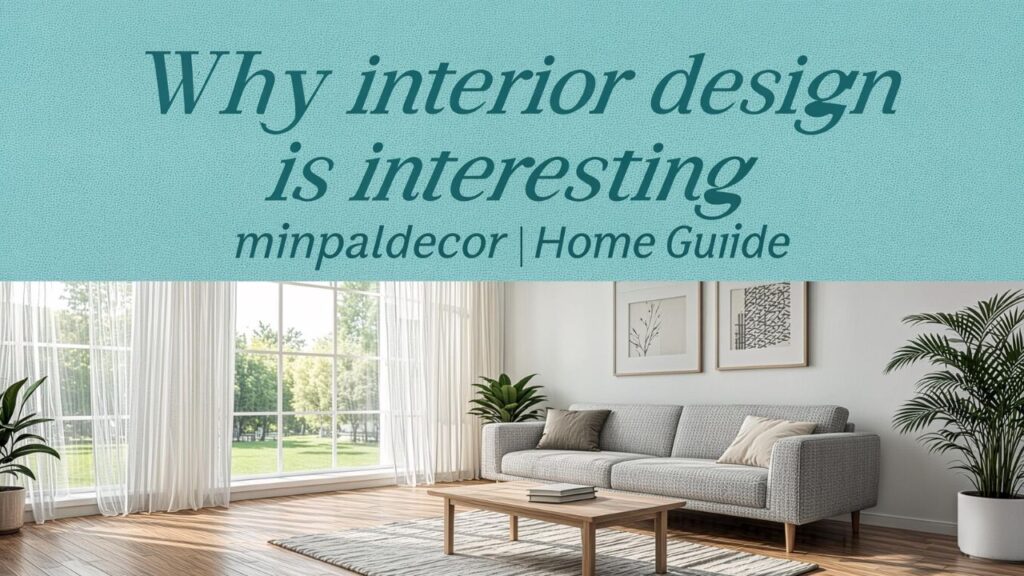
What Makes Interior Design So Fascinating?
Interior design is fascinating because it combines art, psychology, function, lifestyle, and personal identity. A well-designed room is not just attractive; it solves problems quietly.
A bedroom may help someone sleep better. A kitchen may make cooking feel less stressful. A living room may encourage conversation. A home office may improve focus. That mix of beauty and usefulness is the heart of why interior design is interesting mintpaldecor.
A Simple Definition
Interior design is the practice of shaping indoor spaces through layout, color, light, furniture, materials, texture, storage, and atmosphere so the room supports the people who use it.
That includes:
- Space planning
- Furniture layout
- Color palette
- Lighting design
- Texture and materials
- Storage solutions
- Wall décor
- Personal styling
- Comfort and usability
This is why a room can look stylish but still fail if it feels awkward, dark, cramped, or uncomfortable.
Why Interior Design Is Interesting Mintpaldecor for Everyday Homes
The phrase why interior design is interesting mintpaldecor connects well with everyday design because most people are not trying to build magazine-perfect homes. They want spaces that feel better to live in.
A good interior can make ordinary routines more enjoyable. Morning coffee feels better in a calm kitchen. Reading feels easier in a cozy chair with the right lamp. Family time feels warmer in a room where seating, lighting, and layout support conversation.
Design Makes Daily Life Easier
The best interiors often work so smoothly that you barely notice the design. Shoes have a place near the door. Kitchen tools sit close to where they are used. The sofa faces the right direction. The bedroom lighting helps you wind down.
Good design removes small daily frustrations.
Design Adds Emotional Comfort
Color, light, texture, and layout affect how a room feels. Research and design education sources often discuss how material, color, and layout influence mood and atmosphere in interior environments.
That emotional side is one of the biggest reasons people become interested in interiors.
The Psychology Behind Beautiful Spaces
Interior design is interesting because rooms speak to the senses. They influence what people see, touch, hear, and feel.
Color Changes Mood
Color can make a room feel calm, bright, luxurious, cozy, dramatic, or energetic. Soft greens and blues often feel restful. Warm neutrals can feel grounded. Deep colors can feel intimate. Brighter colors can create a sense of movement and joy.
This is why color psychology matters in home design. A room’s color palette should support its purpose.
Light Shapes Atmosphere
A room with harsh overhead light can feel flat, even if the furniture is beautiful. A room with warm layered lighting feels more welcoming.
Good lighting usually includes:
- Ambient lighting for general brightness
- Task lighting for reading, cooking, studying, or grooming
- Accent lighting for artwork, shelving, plants, or architectural details
- Decorative lighting for beauty and personality
Texture Makes a Room Feel Alive
Texture gives depth to a space. Recent design advice has emphasized mixing rough, smooth, and soft textures to make rooms feel warmer and less flat.
A room with wood, linen, ceramic, wool, glass, metal, and plants feels richer than a room where every surface is the same.
Interior Design Is a Creative Puzzle
Another reason why interior design is interesting mintpaldecor resonates with readers is that design is never exactly the same twice. Every home has different light, size, habits, budget, storage needs, and personality.
Designers and homeowners must solve questions like:
- How can a small room feel open?
- How can a dark corner feel useful?
- How can old furniture feel fresh?
- How can a rental feel personal?
- How can beauty and function work together?
- How can one room serve several purposes?
That puzzle-solving process makes interior design creative and practical at the same time.
Every Room Has Constraints
A room might have low ceilings, awkward windows, narrow walls, limited storage, bad lighting, or old flooring. Instead of treating these as failures, design turns them into problems to solve.
A narrow hallway can become a stylish entry zone. A tiny bedroom can feel cozy with the right proportions. A plain rental kitchen can improve with lighting, organization, and removable décor.
The Role of Personality in Interior Design
A room becomes more interesting when it reflects the person living in it. Without personality, even a beautiful room can feel empty.
Homes Should Tell Stories
Personal interiors include objects with meaning:
- Family photos
- Travel finds
- Handmade pottery
- Books
- Art
- Plants
- Vintage furniture
- Cultural pieces
- Favorite colors
- Textiles with memory
These details create emotional connection.
Personal Style Beats Perfect Trends
Trends can inspire, but they should not control the home. A space feels more authentic when it reflects real taste, not just what is popular online.
This is also why interior design is interesting mintpaldecor as a design idea: it invites people to think about comfort, creativity, and individuality rather than copying one fixed look.
Why Layout Is More Important Than People Think
Many people start with décor, but layout usually matters more. A room can have expensive furniture and still feel wrong if the layout blocks movement or conversation.
Good Layout Supports Movement
A room should have clear pathways. People should be able to walk through without bumping into tables, chairs, or storage pieces.
Good Layout Supports Connection
In a living room, seating should invite conversation. In a dining space, chairs should have enough room to pull out. In a bedroom, walking space around the bed matters. In a kitchen, the most-used items should be easy to reach.
Good Layout Makes Rooms Feel Larger
Furniture placement can make a room feel open or cramped. Pulling furniture slightly away from walls, choosing the right rug size, and using vertical storage can make a space feel more balanced.
The Beauty of Small-Space Design
Small spaces make interior design especially interesting because every decision matters. A small room cannot hide bad choices easily.
Small Rooms Need Smart Furniture
Useful pieces include:
- Storage beds
- Nesting tables
- Foldable dining tables
- Wall-mounted desks
- Slim console tables
- Ottoman storage
- Benches with hidden compartments
- Floating shelves
Small Rooms Need Visual Calm
Too many colors, patterns, or tiny objects can make a small room feel crowded. A clear palette, good lighting, mirrors, and fewer larger pieces often work better.
Small Rooms Reward Creativity
A tiny balcony can become a garden corner. A hallway can hold hooks and shelves. A windowsill can become a plant display. A bedroom corner can become a compact work zone.
This problem-solving quality is another reason why interior design is interesting mintpaldecor feels relevant for modern homes.
Materials Make Design More Meaningful
Materials are not only visual. They affect touch, durability, sound, warmth, and maintenance.
Natural Materials Add Warmth
Wood, stone, linen, cotton, wool, rattan, clay, and leather can make a room feel grounded. They bring organic variation that synthetic surfaces sometimes lack.
Durable Materials Support Real Life
A beautiful room must also survive daily use. Families with children, pets, guests, or busy schedules need materials that are easy to clean and maintain.
Mixed Materials Create Depth
A room with only glossy surfaces can feel cold. A room with only soft textures can feel heavy. Mixing matte, reflective, rough, smooth, soft, and structured materials creates balance.
Interior Design Blends Art and Function
One of the clearest reasons why interior design is interesting mintpaldecor is that it sits between creativity and problem-solving. A designer must think like an artist and a planner.
A chair must look good, fit the room, match the scale, support comfort, and work with the rest of the furniture. A lamp must provide light and style. A rug must add softness, define the area, and suit the room’s size.
Function Gives Beauty a Purpose
A beautiful entryway is better when it also stores shoes, keys, bags, and coats. A beautiful kitchen is better when counters stay clear and tools are easy to reach. A beautiful bedroom is better when it supports sleep.
Beauty Makes Function Enjoyable
Function alone can feel cold. Beauty makes practical spaces pleasant to use. A well-lit desk, a soft rug beside the bed, or a styled shelf can turn basic routines into small moments of pleasure.
How Mintpaldecor-Style Ideas Make Design Approachable
Mintpaldecor-related pages often discuss design in a simple, accessible way, focusing on easy decoration tips, home styling, and practical changes people can use in daily life.
That approachable tone matters because many people feel intimidated by interior design. They assume it requires a big budget, a large home, or professional training.
In reality, improvement can begin with small changes:
- Rearranging furniture
- Decluttering surfaces
- Adding lamps
- Changing cushion covers
- Hanging curtains higher
- Choosing a larger rug
- Styling shelves
- Bringing in plants
- Painting one wall
- Adding storage baskets
Small decisions can change the whole feeling of a room.
Why Repetition Creates Harmony
Repetition is one of the easiest design principles to understand. It means repeating a color, shape, material, pattern, or finish so the room feels connected.
Homes & Gardens recently described repetition as a way to create harmony and cohesion through recurring colors, textures, patterns, shapes, and materials.
Simple Ways to Use Repetition
You can repeat:
- A wood tone in furniture and frames
- A black metal finish in lighting and chair legs
- A soft green through cushions, plants, and art
- Curved shapes in mirrors, tables, and vases
- Woven texture in baskets, rugs, and lampshades
Repetition helps a room feel intentional without making everything match exactly.
Why Contrast Keeps Rooms Interesting
If repetition creates harmony, contrast creates energy. A room with no contrast can feel dull.
Types of Contrast
Use contrast through:
- Light and dark colors
- Smooth and rough textures
- Old and new furniture
- Straight and curved lines
- Soft and hard materials
- Matte and glossy finishes
- Minimal and decorative pieces
A balanced room usually has both repetition and contrast.
Interior Design and Well-Being
People spend a lot of time indoors, so interiors influence comfort, focus, and emotional health. Studies and design discussions have explored how interior environments can affect stress, satisfaction, mood, and productivity.
A Calm Room Can Reduce Stress
A calm space may include soft lighting, organized storage, comfortable seating, natural textures, and colors that feel restful.
A Bright Room Can Support Energy
Natural light, clear surfaces, cheerful accents, and good airflow can make a room feel more uplifting.
A Personal Room Can Support Belonging
When a space reflects your identity, it feels less like a showroom and more like home.
This emotional connection is a major reason why interior design is interesting mintpaldecor continues to attract attention.
Room-by-Room Reasons Interior Design Is Interesting
Living Room
The living room is interesting because it must balance comfort, conversation, entertainment, storage, and personal style. It often has to serve guests and daily family life at the same time.
Bedroom
The bedroom is interesting because it is deeply personal. It should support rest, privacy, calm, and comfort.
Kitchen
The kitchen is interesting because function matters so much. Good design can make cooking easier, cleaning faster, and gathering more enjoyable.
Bathroom
The bathroom is interesting because small details matter: lighting, mirrors, storage, towels, scent, and surfaces all affect the experience.
Home Office
The home office is interesting because it must support focus without feeling sterile. Good design can improve comfort and productivity.
Entryway
The entryway is interesting because it shapes the first impression of the home and handles practical clutter like shoes, bags, coats, and keys.
The Joy of Transforming a Room
Few things are as satisfying as seeing a room change from awkward to inviting. Interior design is interesting because results are visible and felt.
A dark corner becomes a reading nook. An empty wall becomes a gallery. A cluttered bedroom becomes peaceful. A cold living room becomes warm with texture, lighting, and better layout.
Transformation Does Not Require Perfection
A room does not need to be expensive to feel good. It needs care, thought, and choices that fit the people using it.
This is one of the most encouraging parts of why interior design is interesting mintpaldecor: design is not only for luxury homes. It belongs in everyday spaces.
Common Mistakes That Make Interiors Less Interesting
Copying Without Adapting
A design idea from online inspiration may not work in your room because your light, size, budget, furniture, and lifestyle are different.
Ignoring Scale
Small rugs, tiny lamps, oversized sofas, and undersized art can make a room feel unfinished.
Using Only One Light Source
One ceiling light rarely creates a layered, comfortable room.
Decorating Before Decluttering
Décor cannot fix clutter. Editing often improves a room faster than buying.
Forgetting Personality
A room can be technically beautiful but emotionally flat if nothing feels personal.
How to Make Your Own Home More Interesting
Start with one room and make thoughtful changes. You do not need to do everything at once.
Step 1: Observe the Room
Notice how it feels at different times of day. Look at light, movement, clutter, color, and comfort.
Step 2: Choose One Main Problem
Maybe the room feels dark, cold, crowded, empty, or disorganized. Solve one issue first.
Step 3: Improve the Layout
Move furniture before buying anything. Sometimes the best design change is free.
Step 4: Add Better Lighting
Use lamps, task lights, and warm bulbs to create atmosphere.
Step 5: Add Texture and Personality
Bring in textiles, plants, art, books, ceramics, baskets, or meaningful objects.
Why Interior Design Is Interesting Mintpaldecor for Beginners
For beginners, why interior design is interesting mintpaldecor is a helpful topic because it shows that interiors are learnable. You can develop an eye for balance, color, scale, and atmosphere over time.
Start by studying rooms you love. Ask why they work. Is it the lighting? The rug? The wall color? The furniture shape? The empty space? The repeated materials?
The more you notice, the more confident you become.
FAQ
What does why interior design is interesting mintpaldecor mean?
why interior design is interesting mintpaldecor refers to exploring why interiors are creative, emotional, practical, and personal, often through Mintpaldecor-style home décor ideas and approachable design advice.
Why is interior design interesting?
Interior design is interesting because it blends creativity, function, psychology, comfort, layout, color, lighting, and personal expression. It changes how a space looks and how people feel inside it.
Is interior design only about decoration?
No. Interior design includes decoration, but it also involves space planning, movement, lighting, furniture scale, storage, mood, safety, and usability.
How does interior design affect mood?
Interior choices such as color, lighting, layout, texture, and natural elements can influence whether a room feels calm, energetic, cozy, focused, or stressful.
What makes a room feel well designed?
A well-designed room usually has a clear purpose, good layout, balanced scale, comfortable lighting, useful storage, repeated details, texture, and personal touches.
Can beginners learn interior design?
Yes. Beginners can learn by studying rooms, taking photos of their own spaces, understanding basic principles, rearranging furniture, and making small improvements over time.
Why do some rooms feel boring?
Rooms often feel boring when they lack contrast, texture, personality, lighting layers, or a focal point. Too much matching can also make a space feel flat.
What is the easiest way to make a room more interesting?
Add layered lighting, texture, plants, meaningful art, a larger rug, better furniture placement, or a repeated accent color. Small changes can create a big shift.
Does Mintpaldecor focus on practical home ideas?
Mintpaldecor-related content appears to focus on approachable home décor, interior design ideas, and practical styling tips for everyday spaces.
Conclusion
The beauty of interior design is that it touches everyday life. It shapes how a room welcomes you, how easily you move, how well you rest, how focused you feel, and how connected you are to your home.
That is why interior design is interesting mintpaldecor as a topic. It reminds us that design is not only about pretty rooms. It is about creativity, comfort, problem-solving, emotion, and personal expression.
A thoughtfully designed space does not have to be perfect. It simply has to feel right for the people living in it. When a room supports your habits, reflects your personality, and makes ordinary moments feel better, interior design becomes more than decoration. It becomes part of how you live.