

Introduction
Some homes look expensive, but they do not feel comfortable. Others are simple, warm, and unforgettable. That is the magic behind interior design drhomey: creating rooms that look beautiful while still supporting real daily life.
Your home should not feel like a showroom where nobody can relax. It should help you breathe easier, move better, rest deeper, and feel proud when someone walks through the door.
DrHomey presents itself as a home-focused platform covering interior design, exterior design, handy tips, and home improvement guidance, with its About page mentioning help with furniture layout, color selection, and lighting choices.
That makes this topic useful for homeowners, renters, apartment dwellers, and design lovers who want practical ideas without feeling pressured into expensive renovations or unrealistic trends.
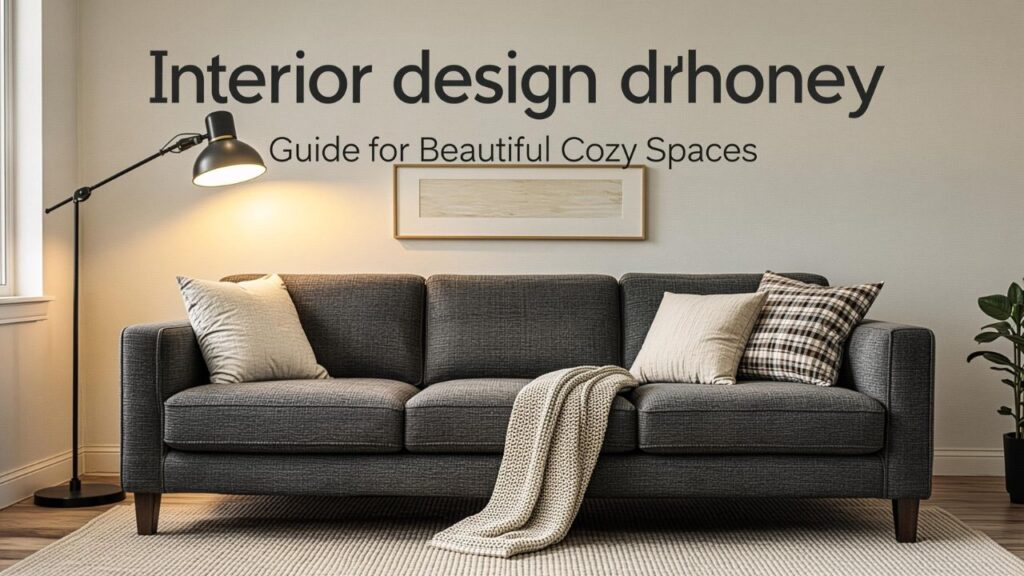
What Is interior design drhomey?
interior design drhomey is best understood as a practical home styling approach inspired by comfort, function, beauty, and everyday usability. It focuses on how people actually live inside their homes, not just how rooms appear in photos.
In simple terms, interior design means planning and improving indoor spaces through layout, color, lighting, furniture, texture, storage, and decorative details. A good interior should be attractive, but it should also make daily routines easier.
A Clear Definition
Interior design is the art and practical planning of indoor environments so they feel safe, useful, comfortable, and visually pleasing. It is different from simply buying decorations because it considers how every part of a room works together.
With interior design drhomey, the goal is not perfection. The goal is a home that feels personal, organized, calm, and suitable for the people living in it.
Why This Approach Feels So Relevant
Modern homes work harder than ever. A bedroom may also be a reading corner. A dining table may double as a work desk. A living room may need to support guests, children, quiet evenings, and entertainment.
That is why space planning, multi-functional furniture, smart storage, and layered lighting matter so much. Good design is not about having more things. It is about making better choices.
The Core Philosophy Behind Better Home Interiors
A well-designed room begins with intention. Before choosing paint, curtains, rugs, or furniture, ask one simple question: how should this room feel?
A room can feel peaceful, energetic, elegant, playful, productive, warm, minimal, or luxurious. Once you know the feeling, the design choices become easier.
Function Before Decoration
The first rule of interior design drhomey is that a room should work before it tries to impress. A beautiful space that blocks movement, lacks storage, or feels uncomfortable will not serve you well.
A functional room usually includes:
- Clear walking paths
- Comfortable seating
- Useful storage
- Appropriate lighting
- Furniture that fits the room
- A natural focal point
- Surfaces where people need them
- A layout that supports real habits
When function is right, styling becomes easier and more enjoyable.
Comfort Is Not Optional
Comfort is often treated like a bonus, but it should be central to design. A sofa should support your body. A bedroom should help you sleep. A kitchen should make cooking easier. A home office should help you focus without creating stress.
Good interiors respect the body as much as the eye.
How to Start With interior design drhomey
The easiest way to begin is not by shopping. It is by observing. Many people rush into buying furniture or paint before understanding what the room actually needs.
Spend time in the space. Notice where clutter gathers, where sunlight enters, where people naturally sit, and which corners feel ignored.
Study the Room at Different Times
A room changes throughout the day. Morning light may feel soft and fresh. Afternoon light may create glare. Evening lighting may feel too dim or too harsh.
Before making changes, look at:
- How natural light moves
- Which areas feel dark
- Where furniture blocks movement
- What items are used daily
- What objects create clutter
- Which colors already exist
- What furniture feels too large or too small
This simple observation can prevent expensive mistakes.
Define the Room’s Main Purpose
Every room needs a primary purpose. A living room may be for conversation. A bedroom may be for rest. A kitchen may be for cooking and gathering. A home office may be for focused work.
Once the main purpose is clear, every design choice can support it.
Space Planning: The Foundation of a Livable Home
Space planning is the process of arranging furniture, storage, pathways, and activity zones so a room feels natural to use. It is one of the most important parts of design, yet many people overlook it.
DrHomey has published content explaining that a thoughtful floor plan helps define how rooms relate to one another and how people move through a home.
Measure Before Buying
Guessing sizes can ruin a room. A sofa may look perfect online but overwhelm the space. A dining table may technically fit but leave no room to pull out chairs. A bed may block wardrobe doors.
Measure:
- Wall lengths
- Door openings
- Window positions
- Existing furniture
- Walking paths
- Ceiling height
- Available storage space
A tape measure can save more money than any sale discount.
Create Zones in Open Spaces
Open-plan rooms often need gentle boundaries. A rug can define a seating area. A pendant light can mark the dining table. A console can create an entry zone. A bookshelf can divide space without making it feel closed.
Zoning helps a room feel organized, especially when one space has multiple uses.
Leave Breathing Room
Not every corner needs furniture. Empty space gives the eye a place to rest and helps rooms feel calmer.
This is especially important in small homes. Too many items make a compact room feel smaller. A few well-chosen pieces often create a more elegant effect.
Color Schemes That Feel Calm and Personal
Color is emotional. It can make a room feel warm, cool, dramatic, peaceful, energetic, or intimate. The right color scheme can completely change how a home feels.
The mistake is choosing colors in isolation. A paint color should be judged alongside flooring, furniture, lighting, curtains, and existing materials.
Start With a Base Color
A base color is the main tone in the room. It usually appears on walls, floors, large furniture, or cabinets. Common base colors include warm white, cream, beige, greige, soft gray, taupe, muted green, and pale blue.
A good base color should support the mood you want. Warm neutrals feel cozy. Cooler neutrals feel fresh. Earthy colors feel grounded. Soft greens and blues feel calm.
Add Supporting Colors
Supporting colors appear in rugs, curtains, chairs, bedding, cushions, and accent furniture. These colors should connect with the base color instead of fighting it.
For example, a cream room may work beautifully with olive, terracotta, warm wood, and brass. A gray room may feel better with charcoal, soft blue, white oak, and black accents.
Use Accents With Restraint
Accent colors add personality. They may appear in artwork, pillows, vases, lamps, books, or small decorative objects.
The trick is not to overdo it. A little contrast can make a room feel alive. Too many competing accents can make it feel chaotic.
Lighting: The Secret Ingredient of Beautiful Rooms
Lighting can make or break a design. Even expensive furniture looks flat under poor lighting. A modest room, however, can feel warm and elegant when lighting is planned well.
DrHomey’s interior design archive includes recent content on layered bedroom lighting, noting that proper lighting helps shape bedrooms into restful and versatile spaces.
[Image: A calm bedroom with bedside lamps, soft wall lighting, textured bedding, warm neutral tones, and a peaceful reading corner.]
Use Layered Lighting
A complete lighting plan usually includes several types of light:
- Ambient lighting for general brightness
- Task lighting for reading, cooking, grooming, or working
- Accent lighting for artwork, shelves, plants, or architectural details
- Decorative lighting for style and personality
Layered lighting lets the same room shift from practical during the day to cozy at night.
Choose the Right Light Temperature
Warm white bulbs create a softer, more relaxing mood. Cooler light can be useful for work areas, garages, or utility rooms, but it may feel harsh in bedrooms and living rooms.
For most living spaces, warm or neutral lighting feels more comfortable.
Do Not Block Natural Light
Natural light makes rooms feel alive. Keep window areas open where possible. Use sheer curtains to soften brightness, mirrors to reflect light, and lighter surfaces to brighten darker corners.
A room with good daylight often needs fewer decorative tricks.
Furniture Selection With Style and Purpose
Furniture is more than decoration. It shapes movement, comfort, conversation, storage, and visual balance.
The interior design drhomey approach favors pieces that look good, feel good, and fit the way the room is used.
Scale Matters More Than Price
A budget sofa that fits perfectly can look better than an expensive sofa that overwhelms the room. Scale is about size relationships: furniture should match the room and the surrounding pieces.
Before buying, check width, depth, height, and clearance space. Think about how people will move around the furniture.
Invest in Anchor Pieces
Anchor pieces are the main items that define a room. In a living room, the anchor is usually the sofa. In a bedroom, it is the bed. In a dining room, it is the table.
These pieces deserve extra attention because they affect comfort and layout every day.
Mix Old and New
A home feels richer when it has layers. Mixing vintage, inherited, handmade, modern, and simple pieces can create character.
The key is connection. Repeat a color, material, shape, or finish so the room feels intentional rather than random.
Texture and Materials That Make a Home Feel Warm
Texture is what makes a room feel finished. Without texture, even a well-colored room can feel flat.
Natural materials such as wood, linen, cotton, stone, wool, rattan, clay, leather, and ceramic bring warmth and depth. They make rooms feel more grounded and less artificial.
Balance Smooth and Rough
A smooth coffee table looks better on a textured rug. A velvet chair feels richer beside a matte wall. A rustic wooden bowl can soften a sleek kitchen.
Contrast creates interest. Too much sameness can make a room feel lifeless.
Add Softness Where People Rest
Soft textures matter most in bedrooms, living rooms, and reading corners. Use cushions, throws, rugs, curtains, upholstered furniture, and bedding to create comfort.
A room becomes more welcoming when it invites people to sit, rest, and stay.
Storage That Looks Beautiful and Works Hard
Clutter is one of the fastest ways to make a room feel stressful. But storage does not have to look boring. Good storage solutions can become part of the design.
The best storage is easy to use. If it is too complicated, people will not maintain it.
Use Closed Storage for Visual Calm
Closed cabinets, drawers, baskets, ottomans, and wardrobes help hide everyday mess. This is especially helpful in living rooms, bedrooms, entryways, and children’s spaces.
Open shelves can look beautiful, but they require editing. Use them for items worth displaying, not everything you own.
Store Items Near Where They Are Used
This simple rule changes everything. Keep keys near the entry. Keep blankets near the sofa. Keep cooking tools near the stove. Keep skincare near the mirror. Keep office supplies near the desk.
Convenient storage supports real habits.
Small-Space Ideas That Feel Bigger
Small homes can be stylish and comfortable when every choice is intentional. The goal is not to squeeze in more furniture. The goal is to create openness, flexibility, and order.
Small space design works best when it combines smart furniture, vertical storage, light colors, and clear pathways.
Choose Multi-Functional Pieces
Use furniture that does more than one job:
- Storage ottomans
- Sofa beds
- Nesting tables
- Wall-mounted desks
- Extendable dining tables
- Beds with drawers
- Benches with hidden storage
Multi-functional furniture is especially useful in apartments, studios, and compact homes.
Use Vertical Space
Walls are valuable. Tall shelves, hooks, wall cabinets, floating nightstands, and high curtain rods can make a room feel taller and more organized.
When floor space is limited, think upward.
Keep the Palette Calm
Too many colors can make a small room feel busy. A calm palette with a few accents often works better.
This does not mean everything must be white. Soft earth tones, warm neutrals, muted greens, and gentle blues can all feel spacious when used thoughtfully.
Budget-Friendly Design Without Looking Cheap
Beautiful interiors do not require unlimited money. They require careful priorities. Some of the most effective changes are simple, affordable, and personal.
The smartest budget approach is to improve what matters most first.
Refresh Before Replacing
Before buying new furniture, ask what can be improved. Can a table be painted? Can handles be replaced? Can a sofa be updated with better cushions? Can curtains be changed? Can a room feel new with better lighting?
Refreshes often create more character than buying everything new.
Spend Where Comfort Matters
Spend more on items you touch and use daily: mattresses, sofas, desk chairs, dining chairs, task lighting, and storage.
Save on decorative accessories that can be changed easily later.
Use Paint Creatively
Paint can transform walls, doors, cabinets, furniture, trim, and built-ins. It is one of the most powerful budget tools in home design.
A painted cabinet, fresh wall color, or updated door can make a room feel completely different.
Room-by-Room Interior Ideas
Every room has its own rhythm. The best interiors respect the purpose of each space while keeping the overall home connected.
This is where interior design drhomey becomes practical: it helps you think room by room without losing the bigger picture.
Living Room
The living room should support comfort, conversation, and daily relaxation. Arrange seating so people can talk easily. Add side tables where drinks or books are needed. Use rugs to define the seating area.
Add personality through art, books, plants, cushions, and objects that mean something to you.
Bedroom
A bedroom should feel restful. Keep the bed as the focal point, use soft lighting, reduce clutter, and choose calming textures.
Closed storage is especially useful here because visual mess can make rest harder.
Kitchen
A kitchen should support movement. Keep cooking tools near the stove, dishes near the sink or dishwasher, and daily ingredients within reach.
Good kitchen design is not only about cabinets and countertops. It is about making cooking and cleaning easier.
Home Office
A home office should help you focus. Choose a comfortable chair, proper desk height, task lighting, and storage for papers or supplies.
Keep the background simple if you take video calls. A clean shelf, artwork, or plant can create a calm professional look.
Common Interior Design Mistakes to Avoid
Even people with good taste make mistakes when they rush. Awareness helps you avoid spending money on choices that do not work.
Buying Everything at Once
Rooms usually look better when they develop over time. Buying all furniture from one store in one day can make a space feel flat.
Let the room evolve. Add pieces as you understand what is missing.
Ignoring Measurements
A beautiful item is not useful if it does not fit. Always measure before buying large furniture, rugs, curtains, and lighting.
Following Trends Blindly
Trends can be fun, but your home should not feel outdated every year. Use trends in small doses and keep major pieces more timeless.
Forgetting Daily Life
A pale sofa may look elegant, but it may not suit pets or children. Open shelving may look stylish, but it may not suit someone who dislikes frequent cleaning.
Good design should match real life.
How DrHomey-Style Thinking Improves the Home Experience
A well-designed home can influence mood, energy, focus, and comfort. DrHomey has also published content discussing how interior design can affect mental well-being and how architecture and spaces shape emotional experience.
This does not mean a beautiful room solves every problem. But your environment can make daily life feel easier or harder.
Calm Spaces Reduce Visual Stress
Clutter, harsh lighting, awkward layouts, and clashing colors can make a home feel noisy. Calm design reduces that visual pressure.
Simple storage, softer lighting, balanced colors, and clear surfaces can make a room feel more peaceful.
Personal Spaces Support Identity
A home should reflect the people who live in it. Personal objects, meaningful art, family photos, favorite books, cultural details, and handmade pieces all create emotional connection.
A personal home feels more comforting than a perfect but anonymous one.
FAQ
What does interior design drhomey mean?
interior design drhomey refers to a practical home styling approach focused on comfort, function, layout, lighting, color, storage, and personal décor inspired by DrHomey-style home guidance.
Is this approach good for small homes?
Yes. It works well for small homes because it emphasizes smart storage, clear pathways, multi-functional furniture, light control, and careful use of color.
Can renters use these ideas?
Absolutely. Renters can improve a home with rugs, curtains, removable wallpaper, lamps, furniture placement, plants, artwork, and better organization without permanent changes.
What is the first step in redesigning a room?
Start by observing the room. Notice how it is used, where clutter appears, how light moves, and what feels uncomfortable before buying anything new.
How do I choose the right color scheme?
Look at your existing floor, furniture, cabinets, natural light, and favorite mood. Then choose a base color, supporting colors, and one or two accents.
What makes a room feel expensive?
A room often feels expensive because of proportion, lighting, texture, clean surfaces, quality anchor pieces, and a consistent color palette—not because every item is costly.
How can I make my home feel cozier?
Use warm lighting, soft textiles, rugs, curtains, natural materials, personal objects, comfortable seating, and a calmer layout.
Should every room follow the same style?
Not exactly, but rooms should feel connected. Repeat certain colors, materials, finishes, or design details so the home feels cohesive.
Is interior design only about decoration?
No. Interior design includes layout, function, comfort, safety, lighting, storage, materials, and how people move through and use a space.
Conclusion
A beautiful home is not built from trends alone. It comes from thoughtful choices that make life feel easier, warmer, and more personal.
That is the real value of interior design drhomey. It encourages you to look at your home with fresh eyes, understand what each room needs, and make changes that support comfort as much as style.
Whether you are redesigning a full house, refreshing a small apartment, or improving one corner at a time, start with how you want the space to feel. Then build from there with better layout, softer lighting, useful storage, balanced color, and details that tell your story.