

Introduction
A smart home should not feel like a showroom full of blinking gadgets. It should feel calm, useful, beautiful, and quietly helpful — the kind of place where lights adjust before you notice the room getting dim and technology supports your life without stealing attention from it.
If you are searching for how to set up my home decoradtech, you are probably looking for a practical way to blend home decor with smart technology without making your space feel cold, cluttered, or overcomplicated.
The good news is that you do not need to automate everything on day one. The best smart homes start with ordinary human needs: better lighting, easier routines, cleaner surfaces, safer entry points, comfortable temperature, and rooms that still feel personal.
This guide walks through planning, devices, room-by-room setup, privacy, security, energy savings, layout, budget choices, and common mistakes. The goal is not to chase every gadget. The goal is to create a home that feels intelligent, warm, personal, and easy to live in.
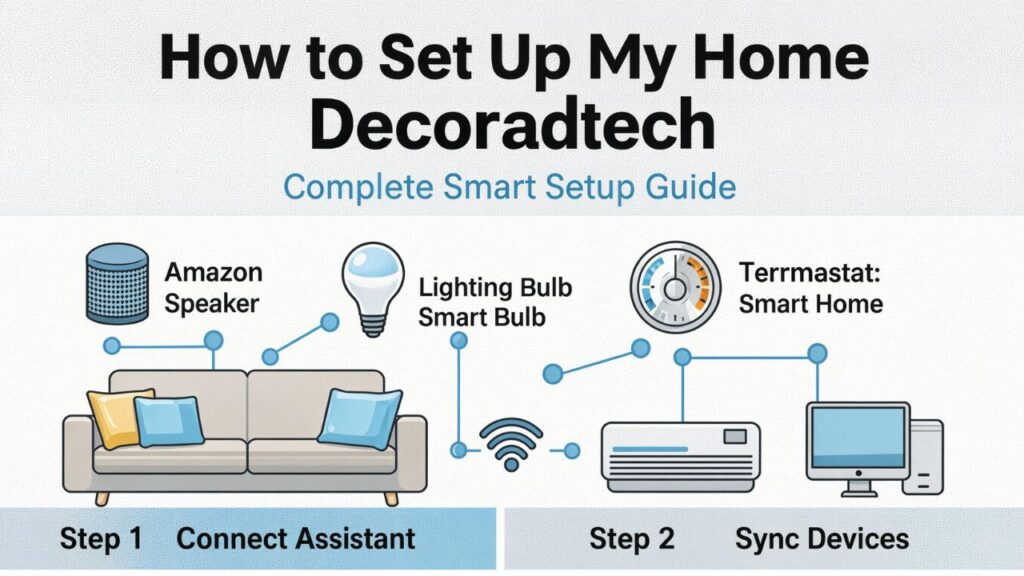
Along the way, we will also include related ideas such as smart home decoradtech, home device decoradtech, home upgrade decoradtech, and how to upgrade my home decoradtech naturally so the article stays useful and SEO-friendly.
Table of Contents
- What DecorAdTech Means
- What How to Set Up My Home Decoradtech Really Involves
- Planning Your Smart Decor Before Buying Anything
- Choosing a Smart Hub and Compatible Devices
- Lighting, Ambience, and Visual Comfort
- Room-by-Room DecorAdTech Setup
- Energy Efficiency, Comfort, and Indoor Air
- Smart Security Without Making the Home Feel Harsh
- Cable Management and Invisible Technology
- Budget, Background, Achievements, and Financial Insight
- Common Mistakes to Avoid
- Frequently Asked Questions
- Conclusion
What DecorAdTech Means
DecorAdTech is best understood as the meeting point between decor and technology. Instead of treating smart devices as separate gadgets, the idea is to integrate them into the look, rhythm, and comfort of the home.
In simple terms, DecorAdTech means using smart home technology in a way that improves comfort, function, energy use, security, and mood while still respecting interior design.
That last part matters. Anyone can plug in a smart bulb. A better setup asks whether the bulb color suits the room, whether the lampshade softens the light, whether the app is easy to use, and whether the device improves a real routine.
Why This Idea Matters Now
Homes have become more flexible than ever. A living room may also be a movie area, a remote-work spot, a workout space, and a family gathering zone. Technology can help, but only when it is planned around real life.
That is why smart home decoradtech is not just about devices. It is about creating a home that looks attractive, works smoothly, and supports the people living inside it.
What How to Set Up My Home Decoradtech Really Involves
The phrase how to set up my home decoradtech may sound technical, but the process is actually a design project first and a technology project second.
You are not just connecting devices. You are deciding how your home should feel when you wake up, how it should respond when you leave, how lights should behave during dinner, how a bedroom should settle at night, and how much technology should be visible.
The Three-Part Setup
A balanced setup includes:
- Design: colors, layout, furniture, texture, lighting style, and visible finishes
- Technology: smart bulbs, plugs, thermostats, speakers, sensors, locks, displays, and hubs
- Routines: automations that match how you actually live
If one part is ignored, the home starts to feel off. Beautiful decor with clumsy wiring feels unfinished. Powerful automation with harsh lighting feels uncomfortable. A room full of devices but no useful routines feels expensive for no reason.
Start With Pain Points
Before buying anything, walk around your home and notice where life feels slightly annoying.
Maybe the hallway is too dark. Maybe you forget to turn off lamps. Maybe your bedroom gets too warm at night. Maybe charging cables are always visible. Maybe your work corner looks messy on video calls.
These small frustrations are better starting points than trend lists.
When readers ask how to set up my home decoradtech, the most honest answer is this: solve the problems you feel every day, then make the solution look intentional.
Planning Your Smart Decor Before Buying Anything
Planning is the quiet step people often skip, and it is usually the reason smart home projects become frustrating. A plan protects your budget, privacy, style, and patience.
Step 1: Choose Your Goal
Pick one main goal for the first phase.
| Goal | Best Starting Upgrade | Why It Works |
|---|---|---|
| Better mood | Smart lighting | Changes the feel of a room instantly |
| Lower energy waste | Smart thermostat or smart plugs | Helps control heating, cooling, and standby use |
| Cleaner design | Cable management and hidden charging | Reduces visual clutter |
| Safer entry | Smart lock, doorbell, or motion light | Improves awareness and convenience |
| Easier mornings | Lighting and speaker routines | Creates a smoother daily rhythm |
| Better sleep | Warm dim lighting and temperature routines | Supports a calmer night routine |
Step 2: Map the Room
Sketch each room roughly. Mark outlets, windows, lamps, doors, seating, shelves, Wi-Fi dead zones, and where cables collect. You do not need architectural software. A notebook sketch is enough.
This helps you avoid buying a smart display that has nowhere to sit, a lamp that needs an outlet across the room, or a camera angle that looks awkward.
Step 3: Decide What Should Be Visible
Some tech can become part of the decor. A framed smart display, sculptural lamp, beautiful speaker, or sleek thermostat can look intentional.
Other tech should disappear: routers, cords, hubs, power strips, and charging bricks.
A practical approach to how to set up my home decoradtech is to make useful controls easy to reach while hiding the messy infrastructure.
Choosing a Smart Hub and Compatible Devices
A smart hub or ecosystem is the control center that helps your devices work together. Without compatibility, you may end up juggling several apps for several devices, which quickly stops feeling smart.
What to Consider Before Choosing
Before choosing, check your phone, preferred voice assistant, family habits, privacy comfort level, and whether guests can still use basic switches without a tutorial.
Common ecosystems include:
- Apple Home
- Google Home
- Amazon Alexa
- Samsung SmartThings
- Home Assistant
- Matter-supported devices
A smooth home device decoradtech setup depends on choosing devices that can work together, not just devices that look impressive in product photos.
Build in Layers
Start with one ecosystem and one room. For most homes, the easiest first layer is lighting. The second layer might be climate control. The third might be security, sensors, or entertainment.
This slow approach is less glamorous, but it is far more realistic. It lets you learn what your household actually uses before spending money on devices that end up unplugged in a drawer.
Lighting, Ambience, and Visual Comfort
Lighting is the fastest way to make a home feel smarter and more beautiful. It also has the biggest emotional payoff because light affects how a room feels morning, afternoon, and night.
Use Layered Lighting
A strong lighting plan has three layers:
- Ambient lighting for general brightness
- Task lighting for reading, cooking, working, or grooming
- Accent lighting for shelves, art, plants, or architectural details
Smart bulbs and dimmers make these layers easier to control. For example, your living room can have a bright “cleaning” scene, a warm “movie” scene, and a soft “evening” scene.
Choose Warmth Carefully
Not every smart bulb color looks good in every room. Warm white often feels better in bedrooms and living rooms. Cooler light can work in utility spaces, offices, or kitchens when you need sharper visibility.
Avoid turning every room into a rainbow just because the bulb can do it. Color lighting works best as an accent, not the entire atmosphere.
Small Lighting Examples
Try these simple upgrades:
- Motion strip lights under bathroom cabinets for night use
- Warm dimmable lamps beside the sofa
- Smart bulbs on a sunrise routine in the bedroom
- Under-cabinet lights in the kitchen
- A smart plug for a difficult-to-reach floor lamp
- Outdoor pathway lighting on a schedule
This is where how to set up my home decoradtech becomes enjoyable. One small automation can make the home feel surprisingly thoughtful.
Room-by-Room DecorAdTech Setup
A smart home works best when each room has a clear purpose. Not every room needs the same devices, and not every device belongs in every room.
Living Room
The living room is usually the best place to start because it supports several daily routines: relaxing, entertaining, watching TV, reading, and sometimes working.
Useful upgrades include:
- Smart lamps or dimmers
- Hidden speakers or a compact soundbar
- Cable box for media cords
- Smart plug for accent lighting
- Voice assistant placed discreetly
- Automated blinds if sunlight glare is a problem
Styling tip: Place devices near natural decor materials like wood, woven baskets, books, ceramic bowls, and plants. The contrast helps technology feel warmer.
Kitchen
The kitchen should stay practical. Smart devices are useful only when they survive real cooking habits: steam, spills, clutter, and busy hands.
Useful upgrades include:
- Under-cabinet task lighting
- Smart speaker for timers and recipes
- Leak sensor near the sink or dishwasher
- Smart plug for small appliances where safe
- Motion lighting in the pantry
- Air quality or humidity awareness if ventilation is poor
Keep counters clear. A smart kitchen with too many visible devices quickly feels messy.
Bedroom
The bedroom is not the place to show off technology. It is the place to make technology quieter.
Useful upgrades include:
- Warm smart bedside lamps
- Sunrise alarm lighting
- Smart thermostat routine
- Blackout curtains or automated shades
- Hidden charging drawer
- Gentle evening scene that dims gradually
Avoid bright displays facing the bed. Even if they look futuristic, they may make the room feel restless.
Bathroom
Bathrooms benefit from simple comfort upgrades.
Useful upgrades include:
- Motion night lighting
- Humidity sensor
- Smart exhaust fan timer if compatible
- Heated towel control where appropriate
- Organized charging for grooming tools
Focus on safety. Keep electrical devices away from water risks and follow manufacturer instructions.
Entryway
The entry is where convenience and security meet.
Useful upgrades include:
- Motion lights
- Smart lock
- Video doorbell
- Package-area lighting
- Small console tray for keys and devices
- Routine that turns on indoor lights when you arrive
The entry should feel welcoming, not like a checkpoint. Keep visible security devices neat and understated.
Energy Efficiency, Comfort, and Indoor Air
Smart technology becomes more meaningful when it improves comfort and reduces waste. A home that looks good but feels too hot, too cold, stuffy, or expensive to run is not truly well designed.
Smart Thermostat Setup
A smart thermostat works best when the schedule reflects your actual life.
Try sleep settings, away mode, comfort settings before waking or returning, seasonal adjustments, and filter reminders. Do not use uncomfortable settings just to chase savings. If people override the system every day, the automation needs adjusting.
Smart Plugs and Energy Awareness
Smart plugs can help with lamps, fans, holiday lights, and devices that are safe to control remotely. They are less useful for appliances that should not be interrupted or require careful startup.
Use smart plugs for:
- Floor lamps
- Desk lamps
- Decorative lights
- Fans
- Approved humidifiers
- Charging stations with schedule control
Indoor Air Quality Matters
A good home upgrade decoradtech plan should include more than gadgets. Think about ventilation, cleaning habits, moisture control, cooking exhaust, filter changes, and material choices.
Useful comfort sensors include:
- Leak sensors near sinks, water heaters, and washing machines
- Humidity sensors in bathrooms and basements
- Temperature sensors in rooms that run hot or cold
- Air quality monitors if you have specific concerns
- Door and window sensors for security routines
The best sensors are the ones you forget about until they save you trouble.
Smart Security Without Making the Home Feel Harsh
Security is one of the most common reasons people explore smart home upgrades, but it should be handled thoughtfully. A home should feel safe without feeling tense.
Start With Practical Security
Useful options include:
- Motion lights near entrances
- Smart lock on the main door
- Video doorbell where appropriate
- Window and door sensors
- Camera placement that respects privacy
- Automated “away” lighting scene
Secure the Devices Themselves
Smart security devices are still connected devices. Use strong unique passwords, enable multi-factor authentication when available, keep firmware updated, consider a separate guest network for smart devices, and remove old devices from your account before selling or recycling them.
Respect Household Comfort
A camera in every corner may make people uncomfortable. Before installing cameras indoors, talk with family members, roommates, or guests who regularly use the space.
Security should create peace, not suspicion.
Cable Management and Invisible Technology
This is the unglamorous part of smart home design, but it matters. Messy cables can ruin a beautiful setup faster than almost anything else.
Hide What Does Not Need Attention
Use:
- Cable raceways painted to match the wall
- Cord boxes behind media consoles
- Under-desk trays
- Furniture with built-in charging
- Velcro ties
- Shorter cables
- Labeled plugs
A clean cable plan makes the room look finished. It also makes cleaning easier.
Create Charging Zones
Instead of charging devices everywhere, create one or two charging stations. A drawer with a power strip, a tray near the entry, or a nightstand with hidden charging can keep surfaces calmer.
This is one of the easiest home device decoradtech improvements because it reduces clutter immediately.
Keep Controls Simple
The more complex the system, the less likely people are to use it. Wall switches should still work. Guests should not need a tutorial just to turn on a lamp.
A truly smart setup feels obvious.
Budget, Background, Achievements, and Financial Insight
Because DecorAdTech is also a website and content brand, it is useful to separate setup advice from public background information.
DecorAdTech Background
DecorAdTech can be described as a content platform focused on connecting modern decor, interior aesthetics, smart technology, and practical home improvement ideas. Its content direction fits readers who want a stylish smart home without turning the house into a cold tech display.
Editorial Journey
The brand’s journey is best understood as an editorial journey. It appears focused on helping readers understand home improvement, furniture arrangement, layout planning, smart home upgrades, and technology-driven decor ideas.
Achievements
Publicly visible achievements are mainly content-based. DecorAdTech has built a topic library around smart decor, home improvement, layout planning, technology integration, and modern living ideas.
Estimated Net Worth or Financial Insight
There is no reliable public net worth or verified financial valuation included in the article text. Any exact net worth figure would be speculation.
A fair financial insight is that DecorAdTech appears to operate as a content platform. Its public value is visible through topic coverage, publishing activity, and usefulness to readers rather than disclosed financial data.
Budget-Friendly Setup Levels
| Budget Level | What to Buy First | What to Avoid |
|---|---|---|
| Under $50 | One smart bulb or smart plug | Random gadgets with no plan |
| $50–$150 | Two smart bulbs, plug, cable kit | Buying multiple ecosystems at once |
| $150–$300 | Lighting kit, smart speaker, sensors | Over-automating every room |
| $300–$700 | Thermostat, lock, better lighting | Ignoring compatibility |
| $700+ | Whole-room scenes, shades, security | Making tech more visible than decor |
The best budget is not the biggest one. It is the one that solves real problems in the right order.
Common Mistakes to Avoid
Mistake 1: Buying Devices Before Planning
A device that does not match your room, routine, or ecosystem becomes clutter. Plan first.
Mistake 2: Ignoring Compatibility
Check whether a device works with your preferred ecosystem before buying. Look for support for your chosen app, voice assistant, hub, and, where useful, Matter.
Mistake 3: Making Everything Visible
Not every device deserves attention. Hide hubs, wires, power strips, and routers when possible.
Mistake 4: Using Harsh Lighting
Bright white bulbs can make bedrooms and living rooms feel uncomfortable at night. Use warm dimmable lighting where relaxation matters.
Mistake 5: Forgetting Privacy
Connected devices collect or process data in different ways. Review privacy settings, app permissions, account security, and camera placement before expanding your setup.
Mistake 6: Automating Annoying Routines
Automation should remove friction, not create it. If a motion sensor turns lights off while someone is reading quietly, adjust it or remove it.
Mistake 7: Skipping Maintenance
Smart homes still need ordinary care: battery changes, firmware updates, dusting sensors, checking Wi-Fi strength, and cleaning fixtures.
Frequently Asked Questions
What does how to set up my home decoradtech mean?
How to set up my home decoradtech means learning how to combine home decor and smart technology so your space becomes more comfortable, stylish, efficient, and easy to control without looking cluttered or overly technical.
What should I buy first?
Start with smart lighting or a smart plug. These are affordable, easy to understand, and immediately noticeable. After that, consider a smart speaker, thermostat, sensors, or security devices based on your needs.
Do I need a smart hub?
Not always. Some devices work directly through Wi-Fi and an app. However, a hub or ecosystem can make routines smoother, especially if you want multiple devices to work together.
Is DecorAdTech only for expensive homes?
No. The idea works in apartments, rented homes, small rooms, family houses, studios, and offices. Start with lighting, cable management, and one useful automation.
Can renters use DecorAdTech ideas?
Yes. Renters can use smart bulbs, smart plugs, removable LED strips, plug-in lamps, cable organizers, portable speakers, and non-permanent sensors. Avoid hardwired devices unless your lease and landlord allow them.
What is smart home decoradtech?
Smart home decoradtech is the design-friendly use of smart home technology. It focuses on making connected devices useful, attractive, simple, and natural within the home.
What does home device decoradtech mean?
Home device decoradtech means choosing and placing smart home devices in a way that supports the room’s design instead of creating clutter.
What is home upgrade decoradtech?
Home upgrade decoradtech refers to improving your home with smart technology, better lighting, cleaner cable management, security upgrades, comfort sensors, and design-friendly automation.
How to upgrade my home decoradtech without spending too much?
If you are wondering how to upgrade my home decoradtech on a budget, start with one room and one problem. Add a smart bulb, smart plug, cable organizer, or motion light before moving to larger upgrades like thermostats, smart locks, or automated shades.
How do I keep smart home devices secure?
Use strong unique passwords, enable multi-factor authentication when possible, update firmware, protect your router, and remove devices you no longer use.
How do I keep the decor from looking too techy?
Choose devices in finishes that match your room, hide cords, use warm lighting, place gadgets near natural materials, and avoid putting every device in plain sight.
What is the easiest room to start with?
The living room is usually easiest because lighting, entertainment, speakers, and plugs are simple to upgrade. Bedrooms are also good if your main goal is better sleep and calmer evening routines.
Is how to set up my home decoradtech a one-day project?
It can be, but it works better as a phased project. Start with one room, test the setup for a week, then add devices only when they solve a real problem.
Conclusion
Learning how to set up my home decoradtech is not about stuffing your home with the newest devices. It is about designing a space where technology feels natural, decor still has warmth, and everyday routines become easier.
Start with the room you use most. Fix one frustration. Add one layer of smart lighting. Hide one messy cable area. Create one routine that genuinely helps. Then build slowly.
The best DecorAdTech home is not the most automated one. It is the one where comfort, beauty, safety, efficiency, and personal style work together so quietly that the technology almost disappears.