

Introduction
A home should feel like it understands you. That is the heart of drhomey interior design: creating spaces that look beautiful, feel calm, and support everyday life without demanding a complete renovation.
People are drawn to this kind of design because it feels practical. It is not about turning your home into a showroom. It is about better lighting, smarter layouts, warmer textures, useful storage, and rooms that feel personal from the moment you walk in.
Public DrHomey-related pages describe the concept around simple home décor, smart room layouts, lighting tips, budget-friendly upgrades, and practical home improvement ideas. The official-looking Interior Design Drhomey site also organizes content around interior design, tips, home improvement, ideas, kitchen, and garden topics.
What Is drhomey interior design?
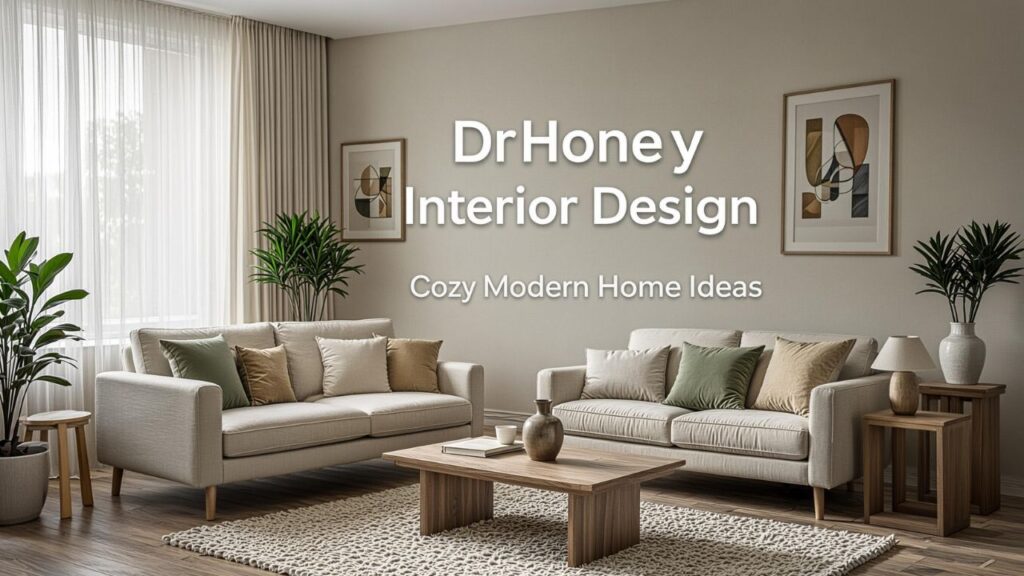
drhomey interior design is best understood as a practical, comfort-first approach to home styling. It focuses on making rooms feel elegant, livable, and useful through simple choices: furniture placement, lighting, color, decluttering, texture, and personal details.
Some pages connected to DrHomey describe it as an approach that blends aesthetics and functionality for residential spaces, from compact apartments to larger homes. Other recent articles describe DrHomey-style design as accessible, budget-friendly, modern, cozy, and focused on everyday comfort.
A Simple Definition
Interior design is the planning and styling of indoor spaces so they look good, function well, and feel comfortable. It includes space planning, furniture layout, color palettes, lighting design, storage solutions, materials, textures, and decorative accents.
In a DrHomey-inspired home, beauty and practicality work together. A living room should invite conversation. A bedroom should help you rest. A kitchen should make cooking easier. A hallway should manage clutter before it spreads through the house.
Why This Approach Feels So Useful
Many people want a beautiful home, but they do not want design advice that feels expensive, unrealistic, or difficult to maintain. That is why drhomey interior design feels relevant: it starts with real life.
A good room is not just something to photograph. It should help you move easily, find what you need, relax after a long day, welcome guests, and enjoy daily routines.
It Focuses on Comfort
Comfort is not only about soft furniture. It also comes from good lighting, enough storage, clear walking paths, calm colors, and objects that feel meaningful.
It Supports Everyday Living
A home works better when each room has a clear purpose. A family living room needs different choices than a quiet reading corner. A compact apartment needs different storage than a large house.
It Makes Design Feel Achievable
DrHomey-related content often emphasizes small, practical upgrades such as lighting changes, indoor plants, neutral colors, smart storage, modern rugs, cushions, wall art, and organized furniture layouts.
The Core Principles of drhomey interior design
A beautiful home usually follows a few simple design principles. You can apply them whether you live in a rented studio, family house, apartment, or newly built space.
Function Comes First
Before choosing paint, pillows, or artwork, ask what the room needs to do. A bedroom should support sleep. A kitchen should support cooking and cleaning. A living room should support comfort, conversation, and entertainment.
If a room does not work, decorating it will only hide the problem temporarily.
Comfort Shapes the Mood
Comfort includes seating, lighting, temperature, softness, sound, and visual calm. A room can be stylish and still feel uncomfortable if the furniture is stiff, the lighting is harsh, or the layout feels crowded.
Balance Makes a Room Feel Calm
Balance means the room feels visually steady. A large sofa may need a chair, tall plant, floor lamp, or artwork on the opposite side. Balance does not mean everything must match. It means nothing feels awkwardly heavy or empty.
Scale Matters More Than People Realize
A rug that is too small can make a living room feel unfinished. A sofa that is too large can make movement difficult. A tiny lamp on a large console can look accidental.
Measure before buying. This simple habit prevents many decorating mistakes.
Personality Gives the Home Soul
A room without personal touches may look neat, but it can feel lifeless. Books, art, family photos, handmade pieces, travel finds, plants, and meaningful objects make a home feel real.
[Image: Infographic showing five DrHomey-style design principles: function, comfort, balance, scale, and personality.]
Start With a Room Assessment
The best way to begin drhomey interior design is not by shopping. It is by observing.
Walk into the room and notice how it behaves during the day. Does it feel dark in the morning? Too bright in the afternoon? Crowded near the entrance? Empty on one wall? Cold at night?
Questions to Ask First
Use these questions before changing anything:
- What is the room mainly used for?
- What feels uncomfortable?
- Where does clutter gather?
- Is the lighting soft, bright, or harsh?
- Can people move easily?
- Is the furniture the right size?
- Does the room have a focal point?
- Does the room feel personal?
- What one change would improve daily life most?
These questions turn vague frustration into clear design direction.
Build a Better Furniture Layout
Furniture layout is one of the most powerful parts of home design. It affects conversation, movement, comfort, and how spacious a room feels.
Create Clear Pathways
People should move through a room without squeezing between furniture. If a coffee table blocks movement or a chair sits in the wrong path, the room will feel uncomfortable no matter how stylish it looks.
Anchor Seating With a Rug
In living rooms, a rug helps connect furniture. Ideally, at least the front legs of the sofa and chairs should sit on the rug. This makes the seating area feel intentional.
Avoid Pushing Everything Against the Walls
Many rooms feel better when furniture comes slightly inward. Pulling a sofa or chair away from the wall can create warmth and make the layout feel more designed.
Choose Fewer, Better Pieces
A room with too much furniture feels crowded. A room with too little furniture feels incomplete. The goal is to choose pieces that serve the room’s purpose without overwhelming it.
Use Color to Create Emotion
Color is one of the easiest ways to change how a home feels. The right palette can make a room feel peaceful, elegant, bright, cozy, or energetic.
Start With a Base Palette
A simple color formula is:
- 60% main color
- 30% secondary color
- 10% accent color
For example, a living room might use warm white walls, beige upholstery, wood furniture, and olive green accents.
Choose Colors by Room Purpose
Bedrooms often work well with soft, restful colors. Living rooms can handle warmer tones and deeper contrast. Kitchens may feel fresh with clean neutrals, natural wood, or subtle color accents.
Use Neutrals With Texture
Neutral rooms need texture to avoid looking flat. Add linen curtains, woven baskets, wool rugs, ceramic lamps, wood furniture, plants, and soft cushions.
Repeat Color for Harmony
A room feels more polished when colors repeat. If you use black in a lamp, repeat it in a frame or table leg. If you use sage green in cushions, repeat it in art or plants.
Lighting Is the Quiet Luxury
Lighting can completely change a room. A space with beautiful furniture can still feel dull if the light is wrong.
DrHomey-style articles often mention lighting as a practical design element, including natural light, soft lighting, modern fixtures, and layered light sources.
Use Layers of Light
A complete room usually needs more than one light source:
- Ambient lighting for general brightness
- Task lighting for reading, cooking, grooming, or working
- Accent lighting for shelves, artwork, plants, or wall texture
- Decorative lighting for beauty and mood
Warm Light Feels More Relaxing
Bedrooms, dining rooms, and living rooms usually feel better with warm light. Kitchens, bathrooms, and workspaces may need brighter task lighting.
Add Lamps Instead of Relying on One Ceiling Light
A single overhead light can make a room feel flat. Table lamps, floor lamps, sconces, and under-cabinet lighting add depth and atmosphere.
Decluttering Without Making the Room Feel Empty
Decluttering is not about removing personality. It is about making space for the things that matter.
The Interior Design Drhomey site describes intentional decluttering as part of its “affordable luxury” idea, where rooms feel calm, consistent, and less overwhelmed by unnecessary objects.
Edit Visible Surfaces
Start with coffee tables, kitchen counters, bedside tables, entry consoles, desks, and open shelves. Remove everything, then add back only what is useful, beautiful, or meaningful.
Use Closed Storage for Visual Noise
Cables, paperwork, chargers, remote controls, cleaning products, and random household items usually look better hidden. Drawers, baskets, cabinets, and boxes help keep rooms calm.
Keep Some Empty Space
Empty space is not wasted. It gives the eye somewhere to rest. A shelf does not need to be full. A wall does not need art on every side.
[Image: A tidy entryway with wall hooks, a slim console, baskets, warm lighting, and a mirror.]
Texture Makes a Home Feel Finished
Texture is what makes a room feel rich, even when the color palette is simple.
Mix Soft and Hard Materials
A balanced room may include:
- Wood
- Linen
- Cotton
- Wool
- Stone
- Ceramic
- Glass
- Metal
- Rattan
- Leather
- Jute
- Plants
Too many hard surfaces can feel cold. Too many soft surfaces can feel heavy. Mixing both creates comfort.
Add Natural Materials
Natural textures bring warmth. A wooden table, woven basket, clay vase, wool rug, or indoor plant can soften modern interiors.
Layer Textiles
Rugs, curtains, cushions, throws, bedding, and upholstered furniture make rooms feel warmer and more comfortable.
Living Room Ideas
The living room is often the most-used space in a home, so it needs both comfort and visual balance.
Create a Focal Point
A focal point helps organize the room. It might be:
- A fireplace
- A large window
- A media wall
- A statement sofa
- A gallery wall
- A large artwork
- A coffee table arrangement
Once the focal point is clear, furniture placement becomes easier.
Make Seating Feel Connected
Sofas and chairs should feel close enough for conversation. A rug, coffee table, or shared lighting source can help connect the seating area.
Style Without Overcrowding
Use a few strong accessories instead of many tiny ones. A tray, book stack, candle, plant, or sculptural vase can make a coffee table feel styled without clutter.
Bedroom Ideas for Calm and Rest
A bedroom should feel quieter than the rest of the house. It should help the body slow down.
Choose a Restful Palette
Soft neutrals, muted greens, dusty blues, warm whites, taupe, beige, and gentle earth tones work well in bedrooms.
Layer the Bed
A comfortable bed can become the room’s focal point. Use layered bedding, pillows, a throw, and soft textures.
Keep Nightstands Simple
A lamp, book, water glass, small tray, or meaningful object is usually enough. Too many items make the room feel busy.
Use Soft Lighting
Warm bedside lamps, wall sconces, or dimmable lighting create a calmer evening mood.
Kitchen Design That Works Daily
The kitchen should be practical first. A beautiful kitchen that is difficult to cook in will quickly become frustrating.
Organize by Zones
Useful kitchen zones include:
- Prep zone
- Cooking zone
- Cleaning zone
- Storage zone
- Coffee zone
- Serving zone
Store items close to where you use them.
Keep Counters Clear
Clear counters make a kitchen feel bigger, cleaner, and easier to use. Keep only daily essentials visible.
Add Warmth
Kitchens often contain hard surfaces. Add warmth with wood boards, woven shades, ceramic bowls, a small runner, plants, or pendant lighting.
Small-Space drhomey interior design
Small rooms need careful choices. Every item should earn its place.
Choose Multi-Functional Furniture
Good small-space pieces include:
- Storage ottomans
- Beds with drawers
- Wall-mounted desks
- Foldable tables
- Nesting tables
- Slim console tables
- Benches with storage
- Floating shelves
Use Vertical Space
Walls can hold shelves, hooks, cabinets, peg rails, and tall bookcases. This keeps the floor clearer.
Use Mirrors With Purpose
Mirrors can reflect light and make rooms feel larger. Place them near windows or across from attractive views.
Avoid Too Many Small Objects
Many tiny objects can make a small room feel crowded. Choose fewer pieces with stronger presence.
Budget-Friendly Improvements
One of the strongest parts of drhomey interior design is that it can work without a huge budget.
Try these affordable upgrades:
- Rearrange furniture
- Declutter surfaces
- Change cushion covers
- Add a warm lamp
- Move art to a better height
- Use baskets for storage
- Add indoor plants
- Replace cabinet handles
- Hang curtains higher
- Add a rug
- Paint one wall
- Style shelves
- Organize cables
- Frame personal photos
- Wash windows for better natural light
Small changes often make a room feel dramatically better.
Home Office and Work Corners
A home office should support focus without feeling cold.
Choose the Right Spot
Place the desk where there is enough light, power access, and quiet. If possible, avoid placing your back directly to a busy walkway.
Manage Cables
Cable clutter makes a workspace feel messy. Use clips, trays, sleeves, or boxes to hide wires.
Add Comfort
A supportive chair, task lamp, soft rug, and small plant can make work feel less tiring.
Bathroom Styling
Bathrooms are usually small, but thoughtful details make them feel more comfortable.
Improve Storage
Use mirrored cabinets, baskets, shelves, hooks, drawer dividers, and trays. Store daily items neatly and hide backups.
Add Softness
Towels, bath mats, warm lighting, plants, and natural textures make bathrooms feel less clinical.
Keep the Counter Clear
A clean counter makes the bathroom feel fresh. Use trays or drawers for small products.
Entryway Design
The entryway sets the tone for the home. It also prevents clutter from spreading.
Create a Landing Zone
A useful entryway may include:
- Hooks
- Shoe storage
- A mirror
- A small table
- A basket
- A bench
- A tray for keys
Even a narrow entry can become functional with wall-mounted storage.
Common Mistakes to Avoid
Buying Before Measuring
Always measure before buying furniture, rugs, curtains, or large décor pieces.
Using Only One Light Source
One ceiling light is rarely enough. Add lamps and accent lights.
Choosing Rugs That Are Too Small
Small rugs make furniture feel disconnected. Larger rugs usually make rooms feel more finished.
Decorating Before Decluttering
Décor cannot fix clutter. Edit first, then style.
Copying Trends Too Closely
Trends can inspire, but your home should fit your life, not someone else’s photo.
How to Create a DrHomey-Inspired Mood Board
A mood board helps you see whether your ideas work together before spending money.
Include These Elements
Add images or samples of:
- Wall color
- Sofa or bed
- Rug
- Curtains
- Lighting
- Wood tones
- Metal finishes
- Art
- Plants
- Storage
- Textures
- Accessories
Look for Repetition
If you keep choosing warm wood, cream fabric, black metal, sage green, curved shapes, or woven textures, those repeated choices may reveal your style.
Using drhomey interior design for a Whole Home
A whole home feels more peaceful when rooms are connected by a few repeating elements. This does not mean every room must look identical.
Repeat a Shared Design Language
You can repeat:
- One wood tone
- One metal finish
- One neutral base
- One accent color
- One natural texture
- One style of lighting
- One type of plant or pottery
These small connections create flow from room to room.
FAQ
What is drhomey interior design?
drhomey interior design is a practical approach to home styling that focuses on comfort, function, beauty, lighting, storage, color, furniture layout, and personal details.
Is DrHomey a specific interior design company?
Public results show several DrHomey-related websites and articles discussing home décor, interior design, handy tips, kitchens, gardens, and home improvement. The sources are not fully consistent, so it is best understood here as a design concept and content theme rather than a single verified design firm.
Can beginners use this design approach?
Yes. It works well for beginners because it starts with simple improvements such as decluttering, better lighting, furniture arrangement, color harmony, storage, and texture.
Does this style require expensive furniture?
No. Many DrHomey-style ideas focus on affordable upgrades and practical changes rather than major renovations or luxury purchases.
What room should I start with?
Start with the room that affects your daily life most. For many people, that is the living room, bedroom, kitchen, or entryway.
How can I make a room feel more finished?
Improve lighting, choose the right rug size, add texture, reduce clutter, repeat colors, include personal objects, and create a clear focal point.
What colors work best?
The best colors depend on the room’s purpose. Soft neutrals, warm whites, beige, muted greens, dusty blues, and natural wood tones are easy to use in calm, modern interiors.
How do I improve a small room?
Use multi-functional furniture, vertical storage, mirrors, clear pathways, fewer decorative items, and properly scaled pieces.
Why does lighting matter so much?
Lighting affects mood, color, comfort, and how polished a room feels. Layered lighting makes a space warmer, deeper, and more useful.
Conclusion
A well-designed home does not need to be expensive or perfect. It needs to feel comfortable, useful, balanced, and personal. That is why drhomey interior design is such a helpful idea for everyday homes.
Start with the way you live. Notice what feels awkward, dark, cluttered, or unfinished. Then improve one thing at a time: layout, lighting, storage, color, texture, and personal detail.
When those choices come together, your home begins to feel calmer and more intentional. It becomes more than a decorated space. It becomes a place that supports your life every day.