

Article
Decorating a home can feel surprisingly complicated. You may know what you like when you see it, but turning that inspiration into a real living room, bedroom, kitchen, or apartment layout is another story. That is where design mintpaldecor can be understood as a practical approach to creating rooms that feel polished, personal, and comfortable without making your home look like a showroom.
For many American homeowners and renters, the challenge is not a lack of ideas. It is having too many ideas. One saved photo shows a bright modern farmhouse kitchen. Another shows a moody living room with velvet furniture. Then there is the budget, the awkward floor plan, the kids’ toys, the pet hair, the rental rules, and the furniture you already own.
Good decorating is not about buying everything new. It is about making thoughtful choices so your home works better and feels more like you. In this guide, you will learn how to plan rooms with confidence, compare common decorating choices, avoid costly mistakes, and style real spaces in ways that are practical for everyday American homes.
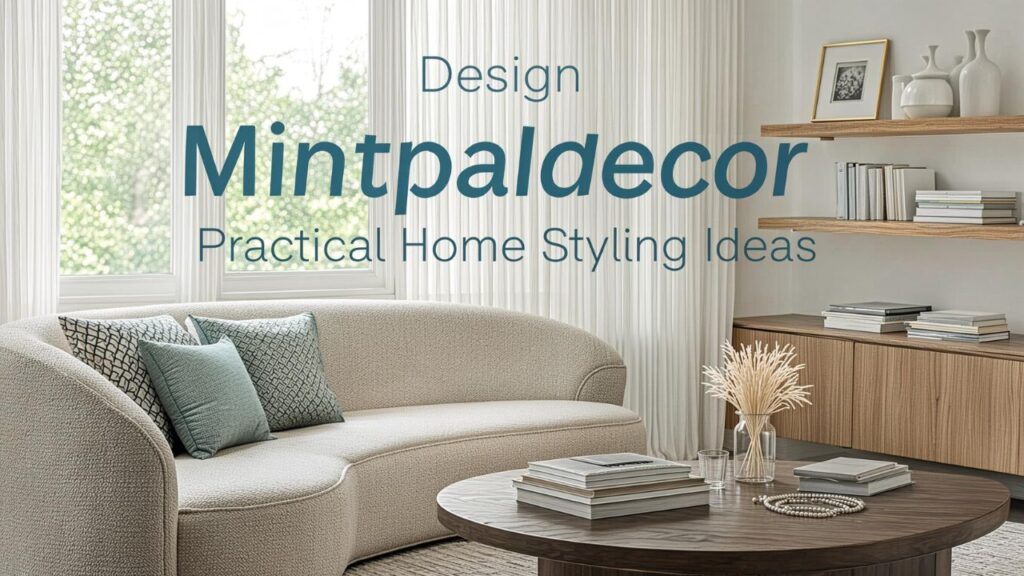
What Does Design Mintpaldecor Mean in Home Decorating?
Design mintpaldecor is best approached as a simple, livable way to think about home design. It combines style, comfort, function, and personal expression. Instead of decorating only for appearance, it asks a more useful question: how should this room support daily life?
A beautiful room that does not work for your routine will eventually frustrate you. A stylish sofa is not helpful if no one wants to sit on it. A white rug may look fresh in photos, but it may not be the right fit for a family room with toddlers, dogs, and after-school snacks. A dramatic dining room chandelier may be lovely, but not if it blocks sightlines or feels too dim for homework and weeknight dinners.
At its best, this approach includes:
- A layout that supports movement and conversation
- Furniture that fits the scale of the room
- Colors that create the right mood
- Lighting that works at different times of day
- Storage that reduces visual clutter
- Decor that feels personal, not random
- Materials that match the lifestyle of the home
The goal is not perfection. The goal is a home that feels intentional, comfortable, and easy to live in.
Start With Function Before Style
The biggest decorating mistake many people make is starting with a color, trend, or piece of furniture before understanding how the room needs to work.
Before buying anything, ask how the space is used on a normal weekday and on a busy weekend. A living room used mostly for TV needs a different layout than a living room used for conversation. A kitchen that doubles as a homework zone needs better lighting and storage than a kitchen used mostly for cooking. A bedroom in a small apartment may need to function as a sleep space, work zone, and storage area all at once.
Questions to Ask Before Decorating
Use these questions before planning any room:
- Who uses this room most often?
- What activities happen here?
- What currently feels inconvenient?
- Where does clutter collect?
- What furniture must stay?
- What needs to be hidden, stored, or displayed?
- How much natural light does the room get?
- What is the realistic budget?
- Does the space need to be kid-friendly, pet-friendly, or renter-friendly?
These questions keep the design grounded. They also help you avoid buying decor that looks pretty but does not solve anything.
Example: A Family Living Room
A family living room may need a durable sofa, washable throws, toy storage, a large coffee table or ottoman, layered lighting, and a rug that hides everyday wear. In that room, comfort and durability should come before delicate materials.
Example: A Renter’s Apartment
A renter may need peel-and-stick solutions, lightweight furniture, removable hooks, plug-in sconces, and storage that can move to the next home. In that case, flexibility matters more than permanent upgrades.
Example: A Formal Sitting Room
A formal sitting room may be used less often, so it can handle lighter upholstery, sculptural furniture, antique pieces, or more delicate accessories. The function is different, so the decorating choices can be different too.
Build a Room Around a Clear Focal Point
Every room needs a visual anchor. Without one, the space can feel scattered, even if the individual pieces are attractive.
A focal point is the first place the eye naturally lands. It gives the room structure and helps you arrange furniture, lighting, and decor.
Common focal points include:
- A fireplace
- A large window
- A statement sofa
- A bed with a strong headboard
- A dining table and chandelier
- A built-in bookcase
- A large piece of art
- A media wall
- A dramatic rug
In many American living rooms, the TV and fireplace compete for attention. If that is your situation, choose one as the main anchor and let the other support the layout. For example, if the fireplace is beautiful but the TV is used daily, you might center the seating toward the TV while styling the mantel simply so the room still feels balanced.
What If the Room Has No Focal Point?
You can create one. Add a large piece of art above the sofa, paint one wall a deeper color, use a tall bookcase, hang curtains high and wide, or place a substantial rug under the main seating area.
In a bedroom, the bed is usually the natural focal point. A headboard, two nightstands, layered bedding, and wall art can make the room feel finished without requiring a major renovation.
Compare Popular Decorating Styles
Most homes do not fit perfectly into one style. That is normal. Still, understanding common decor styles can help you make better choices.
| Style | Best For | Pros | Cons |
|---|---|---|---|
| Modern farmhouse | Family homes, suburban spaces, casual living | Warm, familiar, easy to shop for | Can feel overdone if too themed |
| Transitional | Most homes, mixed furniture collections | Balanced, timeless, flexible | May feel plain without texture |
| Modern organic | Apartments, new builds, calm spaces | Soft, natural, uncluttered | Can become too beige without contrast |
| Coastal | Bright homes, bedrooms, relaxed spaces | Airy, fresh, casual | Can look overly themed with too many beach accents |
| Traditional | Older homes, formal rooms, classic tastes | Elegant, layered, lasting | Can feel heavy if not updated |
| Midcentury modern | Apartments, small spaces, design lovers | Clean lines, compact profiles | Can feel cold without softness |
| Bohemian | Creative homes, renters, layered spaces | Personal, colorful, relaxed | Can look cluttered without editing |
| Minimalist | Small spaces, calm homes, low-clutter living | Clean and peaceful | Can feel stark if too bare |
The Best Style for Real Homes
For most people, a blended style works best. A transitional sofa, modern lighting, vintage art, natural textures, and a few personal objects can feel more authentic than a room copied from one design category.
A good rule is to choose one main style and one supporting style. For example:
- Modern farmhouse with traditional accents
- Coastal with modern organic details
- Midcentury modern with bohemian textiles
- Transitional with vintage pieces
- Minimalist with warm natural textures
This creates direction without making the room feel forced.
Use Color With Confidence
Color has a huge effect on how a room feels. It can make a space feel larger, cozier, calmer, brighter, warmer, or more dramatic.
But choosing color is where many people get stuck. They worry about making the wrong choice, so they default to gray, beige, or white everywhere. Neutrals can be beautiful, but a room still needs contrast and personality.
A Simple Color Formula
A helpful room formula is:
- 60% main color
- 30% secondary color
- 10% accent color
This does not need to be exact. It simply helps you avoid using too many competing colors.
In a living room, the main color might be the walls and sofa. The secondary color might appear in the rug, chairs, and curtains. The accent color might appear in pillows, art, lamps, and accessories.
Warm Neutrals
Warm neutrals such as ivory, cream, camel, taupe, mushroom, and warm gray are popular because they feel soft and livable. They work well in living rooms, bedrooms, kitchens, and open-concept homes.
Warm neutrals are especially useful if you want a calm home but do not want it to feel cold.
Cool Neutrals
Cool neutrals such as crisp white, charcoal, slate, and cooler grays can feel clean and modern. They work well with black accents, chrome, glass, and contemporary furniture.
The risk is that cool neutrals can feel sterile if the room lacks texture. Add wood, woven baskets, soft upholstery, plants, and warm lighting to balance them.
Moody Colors
Deep green, navy, burgundy, chocolate brown, charcoal, and plum can create a cozy, elevated feel. These colors work especially well in dining rooms, bedrooms, powder rooms, libraries, and media rooms.
In small spaces, moody colors can actually be a strength. A tiny powder room or bedroom can feel jewel-box-like rather than cramped.
Accent Colors
Accent colors are a low-risk way to add personality. Try them in pillows, art, lampshades, vases, books, throws, and small rugs.
For renters or budget decorators, accent colors are easier to change than wall paint or large furniture.
Compare Paint, Wallpaper, and Wall Treatments
Walls shape the entire mood of a room. The right treatment depends on budget, commitment level, and whether you own or rent.
| Option | Best For | Cost Level | Renter-Friendly? | Maintenance |
|---|---|---|---|---|
| Paint | Almost any room | Low to medium | Sometimes | Easy to touch up |
| Peel-and-stick wallpaper | Accent walls, rentals, small rooms | Low to medium | Usually | Can peel in humid spaces |
| Traditional wallpaper | Dining rooms, bedrooms, powder rooms | Medium to high | No | Durable but harder to remove |
| Board and batten | Entryways, bedrooms, dining rooms | Medium | Usually no | Easy to repaint |
| Picture molding | Traditional or transitional rooms | Medium | Usually no | Low maintenance |
| Wood slat walls | Modern spaces, media walls | Medium to high | Usually no | Dusting required |
Paint
Paint is one of the most affordable ways to transform a room. It works for homeowners and some renters, depending on lease rules.
For small rooms, do not assume white is the only answer. Soft taupe, pale blue, muted green, or warm cream can make a room feel more finished.
Peel-and-Stick Wallpaper
Peel-and-stick wallpaper is useful for renters, nurseries, closets, powder rooms, and small accent areas. It can add pattern without permanent commitment.
Use it carefully in bathrooms with poor ventilation, as humidity may affect adhesion.
Wall Molding
Molding adds architectural interest, especially in newer homes that lack character. Picture molding, board and batten, or simple trim can make a plain room feel custom.
This is better for homeowners or renters with permission to make changes.
Layer Lighting Like a Designer
Lighting is one of the most overlooked parts of home decor. A room with only one overhead light rarely feels comfortable.
Good lighting has layers:
- Ambient lighting for overall brightness
- Task lighting for reading, cooking, working, or grooming
- Accent lighting for mood and visual interest
Living Room Lighting
A living room should have more than a ceiling fixture. Add table lamps, floor lamps, picture lights, or plug-in sconces.
Place lighting near seating so people can read, relax, or talk without harsh overhead glare.
Bedroom Lighting
Bedrooms need soft, calming light. Bedside lamps or sconces are essential. If space is tight, wall-mounted plug-in sconces free up nightstand space and work well for renters.
Use warm bulbs rather than cool, bright ones. The wrong bulb temperature can make even beautiful decor feel uncomfortable.
Kitchen Lighting
Kitchens need strong task lighting. Under-cabinet lights, pendants over an island, and recessed lighting can work together.
If a kitchen feels flat, lighting may be the problem. Even a small rental kitchen can feel better with plug-in under-cabinet lights or a small lamp on the counter.
Dining Room Lighting
A dining room fixture should relate to the table, not just the room. A chandelier or pendant that is too small can look awkward. One that is too large can overwhelm the space.
Dimmer switches are ideal in dining areas because they allow the room to shift from homework zone to dinner setting.
Choose Furniture That Fits the Room
Furniture scale can make or break a space. A sofa that is too large makes a living room feel crowded. A tiny rug under a large sectional makes the seating area feel unfinished. A dining table that leaves no walkway turns every meal into a squeeze.
Living Room Furniture
Start with the sofa because it is usually the largest piece. Then add chairs, a coffee table, side tables, and storage.
In many living rooms, the front legs of the sofa and chairs should sit on the rug. This connects the seating area visually.
For small spaces, choose:
- Sofas with slim arms
- Raised legs
- Nesting tables
- Storage ottomans
- Wall-mounted shelves
- Round coffee tables
- Apartment-size sectionals
For larger rooms, choose:
- Deeper sofas
- Larger rugs
- Paired chairs
- Console tables
- Sectionals
- Oversized ottomans
- Multiple lighting zones
Bedroom Furniture
A bedroom should feel restful, not packed with furniture. Leave enough space to walk around the bed comfortably.
If the room is small, use nightstands with drawers, wall shelves, under-bed storage, or a tall dresser instead of a wide one.
For a more finished look, match the scale of the nightstands to the bed. A king bed with tiny nightstands often feels unbalanced.
Dining Room Furniture
Dining rooms and breakfast nooks need enough clearance for chairs to pull out. In smaller homes, a round table can improve flow and make conversation easier.
Benches can save space, but they are not always the most comfortable for long dinners. Upholstered chairs add comfort, while wood chairs are easier to clean.
Entryway Furniture
An entryway needs function first. A bench, hooks, mirror, tray, and shoe storage can make daily routines easier.
For small apartments, even a narrow wall shelf and a few hooks can create a landing zone.
Compare Rugs by Room and Lifestyle
Rugs add warmth, sound control, color, and comfort. They also help define spaces in open floor plans.
| Rug Type | Best For | Pros | Cons |
|---|---|---|---|
| Wool | Living rooms, bedrooms, dining rooms | Durable, soft, natural | Higher cost, may shed |
| Cotton | Kitchens, casual spaces, bedrooms | Affordable, washable options | Less plush |
| Jute or sisal | Entryways, layered rooms, coastal style | Natural texture, durable look | Can feel rough, stains easily |
| Polyester | Family rooms, rentals, budget spaces | Affordable, many styles | May not last as long |
| Indoor-outdoor | Kitchens, dining areas, pets | Easy to clean, durable | Less soft |
| Washable rugs | Kids’ rooms, pets, apartments | Practical, easy care | May be thinner |
Living Room Rugs
A living room rug should be large enough to anchor the seating. A too-small rug can make the room feel disconnected.
If you have kids or pets, consider a patterned rug in a medium tone. It will hide crumbs, hair, and everyday wear better than a solid pale rug.
Bedroom Rugs
In a bedroom, comfort matters. A soft rug underfoot makes mornings nicer. If a large rug is too expensive, use runners on each side of the bed.
Dining Room Rugs
Dining room rugs should be easy to clean and large enough for chairs to remain on the rug when pulled out. Flatweave, indoor-outdoor, and low-pile rugs are practical choices.
Entryway Rugs
Entryway rugs should handle dirt and moisture. Choose low-pile, washable, or indoor-outdoor materials. A beautiful but delicate rug near the front door will age quickly in many homes.
Add Storage Without Sacrificing Style
Clutter is often a storage problem, not a decorating problem. A room can have beautiful furniture and still feel chaotic if everyday items have nowhere to go.
Living Room Storage
Use closed storage for items that are not attractive, such as cords, remotes, games, toys, and paperwork. Open shelves are better for books, baskets, pottery, framed photos, and art.
A media console with doors is often more practical than open shelving, especially in family homes.
Kitchen Storage
In kitchens, keep counters as clear as possible. Use trays to group items like oil, salt, and utensils. Add drawer dividers, shelf risers, and bins inside cabinets.
For renters, rolling carts and freestanding shelves can add storage without renovation.
Bedroom Storage
Bedrooms collect laundry, accessories, books, and personal items. Choose nightstands with drawers, storage benches, baskets, and under-bed containers.
A calm bedroom usually depends more on hidden storage than on decorative accessories.
Bathroom Storage
Small bathrooms need vertical storage. Use wall shelves, medicine cabinets, over-toilet cabinets, or narrow carts.
Keep daily items accessible but contained. A tray can make skincare bottles look intentional instead of messy.
Decorate for Real Life, Not Just Photos
A room should look good, but it also has to survive daily use. This is especially true for families, pet owners, renters, and anyone decorating on a budget.
For Families With Kids
Choose durable fabrics, rounded edges, washable rugs, and storage that children can use independently. Baskets, bins, and ottomans with lids are helpful.
Avoid filling every surface with fragile decor. Leave room for real life.
For Pet Owners
Choose tight-weave fabrics, washable throws, performance rugs, and furniture with legs tall enough to vacuum under. Match upholstery color somewhat to pet hair if possible.
Avoid delicate open-weave fabrics if you have cats that scratch.
For Renters
Use removable wallpaper, plug-in lighting, area rugs, tension rods, freestanding storage, and furniture that can move easily.
Invest in pieces you can take with you: lamps, rugs, art, mirrors, bedding, and small furniture.
For Budget Decorators
Spend where comfort and durability matter most. Save on accessories that can be changed later.
Good places to invest:
- Sofa
- Mattress
- Dining chairs
- Main rug
- Quality lighting
- Window treatments
Good places to save:
- Throw pillows
- Seasonal decor
- Small art prints
- Decorative trays
- Vases
- Side tables
- Baskets
Room-by-Room Design Mintpaldecor Guide
Living Room
The living room should support conversation, comfort, and daily routines. Start with seating, then build around it.
A practical living room plan includes:
- A sofa that fits the room
- At least one surface within reach of each seat
- A rug that anchors the seating area
- Layered lighting
- Storage for everyday items
- A mix of soft and hard textures
If your living room feels unfinished, check the rug size, lighting, curtains, and wall art before replacing major furniture.
Bedroom
A bedroom should feel restful and personal. The bed is the focal point, so make it look intentional.
Focus on:
- Comfortable bedding
- Balanced nightstands
- Soft lighting
- Window coverings for privacy
- A rug or soft flooring
- Minimal clutter
- Calming colors
You do not need a large bedroom to make it feel styled. Matching lamps, a simple headboard, and layered bedding can make a major difference.
Kitchen
Kitchen decorating should not interfere with cooking. Keep decor useful and easy to clean.
Good kitchen decor includes:
- Counter lamps
- Wooden cutting boards
- A washable runner
- Attractive canisters
- Fresh or faux greenery
- Simple window treatments
- Bar stools that fit the island height
If your kitchen is dated, try changing hardware, lighting, rugs, and counter accessories before considering a bigger renovation.
Dining Room
Dining rooms should feel welcoming, not stiff. The table and lighting are the main anchors.
To make a dining area feel complete, add:
- A properly sized light fixture
- Comfortable chairs
- A rug if practical
- Art or a mirror
- A sideboard or cabinet
- Soft lighting
For small dining nooks, a round table can make the space easier to use.
Bathroom
Bathrooms benefit from simple upgrades. You do not need a remodel to make a bathroom feel fresher.
Try:
- A better mirror
- New lighting
- Fresh towels
- A washable rug
- Coordinated hardware
- Wall shelves
- A shower curtain with texture or pattern
In rentals, a stylish shower curtain, peel-and-stick floor tiles, and better lighting can make a big difference.
Entryway
An entryway should make leaving and coming home easier.
Use:
- Hooks
- A mirror
- A bench
- A washable rug
- A tray for keys
- Shoe storage
- A small lamp if there is an outlet
Even a tiny entry corner can feel intentional with a narrow console and wall hooks.
Small Apartments
Small apartments require careful editing. Every piece should earn its place.
Choose furniture that does more than one job:
- Storage ottoman
- Sleeper sofa
- Drop-leaf table
- Nesting tables
- Wall shelves
- Bed with drawers
- Foldable chairs
Use mirrors, vertical storage, and raised-leg furniture to keep the space feeling open.
Seasonal Decorating Without Overspending
Seasonal decorating should refresh your home, not require a full redesign.
Spring
Use lighter textiles, fresh greenery, floral branches, and soft colors. Swap heavy throws for cotton or linen.
Summer
Bring in woven textures, breezy curtains, outdoor pillows, and relaxed table settings. Keep surfaces simple and uncluttered.
Fall
Add warm tones, heavier throws, amber glass, wood accents, and cozy lighting. You do not need pumpkins everywhere for a room to feel seasonal.
Winter
Layer candles, soft blankets, deeper colors, greenery, and warm metallic accents. Focus on comfort and glow.
The easiest seasonal updates are pillows, throws, greenery, table linens, wreaths, and small accessories. Keep large furniture neutral if you like changing decor often.
Common Decorating Mistakes to Avoid
Buying Everything From One Store
A room filled with pieces from one store can feel flat. Mix old and new, high and low, smooth and textured, modern and vintage.
Hanging Curtains Too Low
Curtains usually look better when hung higher and wider than the window frame. This makes windows feel larger and ceilings feel taller.
Using Rugs That Are Too Small
A small rug can make furniture look like it is floating. When possible, choose a rug large enough to connect the main furniture pieces.
Ignoring Lighting
Even a beautifully decorated room can feel uncomfortable with poor lighting. Add lamps before deciding the room does not work.
Decorating Too Fast
Rooms need time. It is better to live with a space for a few weeks than rush into purchases you regret.
Copying Trends Too Closely
Trends can inspire, but your home should still feel personal. Use trends in small ways if you are unsure.
How to Make a Home Feel More Expensive on a Budget
A stylish home does not have to be expensive. Often, the upgrades that make the biggest difference are about scale, simplicity, and finishing details.
Try these ideas:
- Replace builder-grade lighting
- Use larger art instead of many tiny pieces
- Hang curtains close to the ceiling
- Upgrade cabinet hardware
- Add matching lamps
- Use trays to organize surfaces
- Choose fewer, larger accessories
- Add plants or branches
- Use pillow covers instead of buying new inserts
- Paint old furniture
- Frame personal photos in matching frames
One of the best budget tricks is editing. Removing clutter, rearranging furniture, and simplifying surfaces can make a room feel calmer and more polished without spending anything.
How to Mix Old and New Decor
Rooms feel more interesting when they have a sense of history. Even in a new apartment or builder-grade home, vintage or secondhand pieces can add warmth.
Mixing old and new works best when you repeat at least one element, such as color, material, shape, or finish.
For example:
- A vintage wood dresser can work with modern lamps if the lamps repeat the room’s black accents.
- A traditional rug can work with a modern sofa if the colors connect.
- A thrifted mirror can work in a new bathroom if the metal finish matches the faucet or lighting.
Secondhand furniture is also practical for budget decorators. Solid wood dressers, dining tables, mirrors, and accent chairs are often worth considering. Upholstered pieces require more caution because of cleanliness, odors, and wear.
How to Personalize Your Home Without Clutter
Personal style does not mean filling every shelf. The most meaningful homes often have carefully chosen personal details.
Use:
- Family photos in simple frames
- Travel objects
- Books you actually read
- Handmade pottery
- Art from local makers
- Heirlooms
- Children’s art in clean frames
- Collections displayed in one area
The key is grouping. A collection looks intentional when displayed together. Scattered across the house, the same objects may look like clutter.
FAQ
What is design mintpaldecor in simple terms?
Design mintpaldecor can be understood as a practical home decorating approach focused on creating rooms that are stylish, functional, comfortable, and personal. It is less about following strict rules and more about making thoughtful choices that support everyday life.
How do I start decorating a room from scratch?
Start by deciding how the room needs to function. Then choose a focal point, measure the space, create a basic furniture layout, pick a color direction, and add lighting, rugs, storage, and decor in layers. Avoid buying accessories before the main pieces are planned.
What is the easiest way to make a room look more designed?
Improve the lighting, use a properly sized rug, hang curtains higher, reduce clutter, and add a clear focal point. These changes often make a room feel more intentional without requiring all-new furniture.
How can renters decorate without making permanent changes?
Renters can use removable wallpaper, peel-and-stick tiles, plug-in sconces, area rugs, freestanding shelves, tension rods, art, mirrors, and stylish lamps. Focus on items that can move with you to your next home.
What decor items are worth investing in?
Invest in pieces that affect comfort and daily use, such as a sofa, mattress, dining chairs, quality lighting, a durable rug, and window treatments. Save on smaller decorative accents that you may want to change seasonally.
How do I decorate a small apartment without making it feel crowded?
Choose furniture with slim arms and raised legs, use vertical storage, keep pathways clear, add mirrors, and avoid too many small accessories. Multi-functional pieces like storage ottomans, sleeper sofas, and nesting tables are especially useful.
How do I make my home look stylish with kids or pets?
Choose durable fabrics, washable rugs, closed storage, rounded furniture, and medium-tone colors that hide wear. Use baskets, throws, and performance materials so the home feels beautiful without becoming too delicate for real life.
Should every room in my home match?
Every room does not need to match exactly, but the home should feel connected. Repeat a few elements, such as wood tone, metal finish, color palette, or overall style. This creates flow while still allowing each room to have its own personality.
Conclusion
A well-designed home is not about chasing every trend or filling rooms with expensive furniture. It is about making choices that fit your space, your budget, and the way you actually live. When you approach decorating through function, comfort, scale, color, lighting, and personal meaning, your home starts to feel more natural and complete.
Design mintpaldecor, as a practical decorating idea, works best when it helps you slow down and make better decisions. Measure before buying. Choose materials that match your lifestyle. Add lighting where the room feels flat. Use color with intention. Keep what matters, edit what does not, and let your home evolve over time.
The most inviting homes are not perfect. They are thoughtful, comfortable, and lived in. With the right approach, every room can feel more beautiful, more useful, and more like home.