
Introduction
Ever notice how a messy drawer can somehow make your whole day feel chaotic? You open it looking for one thing, five things fall out, and suddenly you are standing there wondering why life feels harder than it should. That is where organization hacks can make a real difference.
The goal is not to create a perfect home that looks untouched. Real homes have laundry, dishes, mail, shoes by the door, and people actually living in them. What matters is building simple systems that help your space work with you instead of against you.
When your home has a place for the things you use most, your brain gets a break. You spend less time searching, less money rebuying things you already own, and less energy cleaning up the same mess again and again.
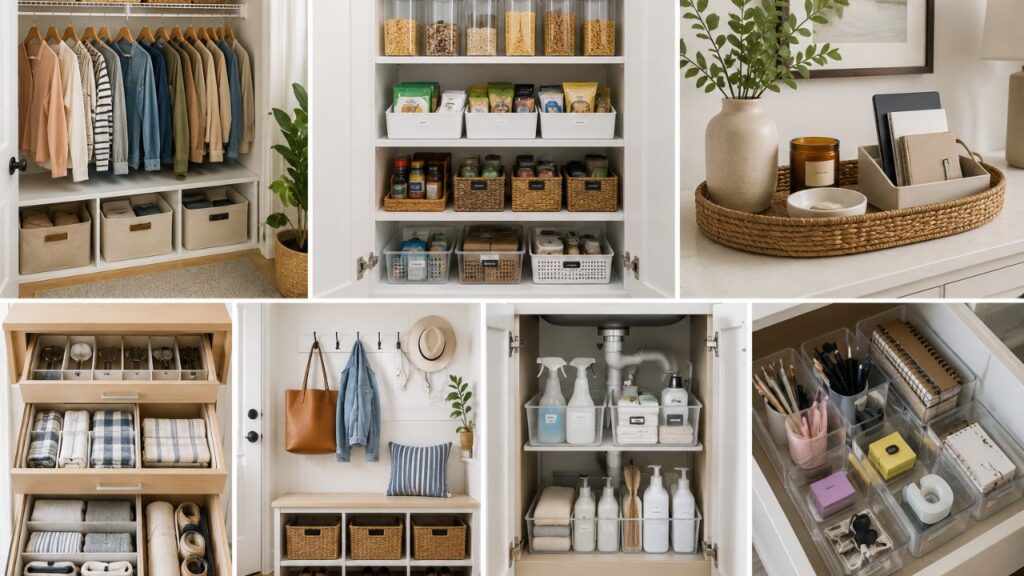
Why Home Organization Feels So Hard
Most people do not struggle with organization because they are lazy. They struggle because their spaces are asking too much of them. A system that requires ten steps will eventually fail on a tired Tuesday night.
Good organization starts with honesty. Where do you naturally drop your keys? Which clothes do you actually wear? What items pile up because they have no home? The best systems are built around real behavior, not fantasy routines.
What Organization Really Means
Organization is not just making things look neat. It means arranging your space so daily life becomes easier. A beautiful pantry that takes an hour to maintain is less useful than a simple shelf system everyone in the house understands.
Think of it as reducing friction. When something is easy to put away, you are more likely to put it away. When something is visible, reachable, and logically placed, it becomes part of your routine without much effort.
Start With the Areas That Annoy You Most
Before buying bins or rearranging every cabinet, look for the places that create the most daily frustration. Maybe it is the kitchen counter, the bathroom drawer, the laundry pile, or the entryway.
Start there. Fixing one irritating area gives you momentum and proves that change does not have to be dramatic. A ten-minute improvement in the right spot can feel more powerful than a weekend-long overhaul of a closet you barely use.
The “One Hotspot” Method
Choose one clutter hotspot and ask three questions:
- What keeps landing here?
- Why does it land here?
- What would make it easier to put away?
For example, if mail piles up on the kitchen table, the problem may not be paper clutter in general. It may be that you do not have a clear spot for incoming mail, bills, school forms, and things to recycle.
A small tray, a recycling bin nearby, and a weekly paper check-in can solve what felt like a much bigger problem.
Organization Hacks That Actually Stick
The most useful organization hacks are simple enough to repeat when you are busy, distracted, or tired. If a system only works when life is calm, it is not a system; it is decoration.
Use the “Easy to Put Away” Rule
Many people make items easy to access but hard to put away. That is why open baskets often work better than stacked boxes for everyday items.
If your kids use blankets every night, a big basket in the living room makes more sense than folding each blanket into a cabinet. If you wear the same shoes daily, a low shoe rack near the door will work better than a closet across the house.
Store Things Where You Use Them
This sounds obvious, but it changes everything. Keep coffee filters near the coffee maker, cleaning supplies near the rooms where you clean, and extra trash bags at the bottom of the trash can.
When storage matches behavior, tidying becomes almost automatic.
Make Categories Broad, Not Fussy
Tiny categories can look satisfying at first, but they often become annoying to maintain. Instead of separating every type of cable, create a “charging and tech” bin. Instead of sorting craft supplies into twenty containers, start with paper, tools, paint, and extras.
Broad categories are easier for everyone to understand. That matters especially in shared homes, because a system only works if more than one person can use it.
Decluttering Before Organizing
You cannot organize your way out of owning too much stuff. Storage helps, but it does not fix clutter that no longer belongs in your life.
Decluttering first makes every organizing step easier. You need fewer bins, less space, and less time to maintain the system.
The Four-Question Decluttering Test
When deciding what to keep, ask:
- Do I use this?
- Do I like this?
- Would I buy it again today?
- Does it deserve the space it takes up?
That last question is powerful. Space is valuable. Every item you keep asks for attention, cleaning, storage, and mental energy.
Try the “Maybe Box”
If letting go feels difficult, use a maybe box. Put uncertain items in a box, label it with a date, and store it away for 30 to 60 days. If you do not need or miss anything in that time, it is probably safe to donate.
This method works well for kitchen gadgets, decor, clothes, hobby supplies, and duplicate items.
Small Space Organization That Feels Bigger
Small homes, apartments, dorm rooms, and shared bedrooms need smart systems because every inch matters. The trick is not to cram more into the space. It is to make the space easier to use.
Vertical storage, hidden storage, and multi-purpose furniture can make a small area feel calmer without making it feel crowded.
Think Up, Not Out
Walls are often underused. Add hooks, floating shelves, pegboards, or over-the-door organizers to free up floor and counter space.
In kitchens, a wall-mounted rail can hold mugs, utensils, or small baskets. In bedrooms, hooks can hold bags, robes, hats, or tomorrow’s outfit.
Use Furniture With Storage
Benches with hidden compartments, beds with drawers, ottomans that open, and coffee tables with shelves can quietly hold items you use often.
The best storage furniture does not just hide clutter. It keeps useful things close without making the room feel busy.
Kitchen Systems That Save Time
The kitchen is one of the busiest rooms in the home, so even small changes can have a huge impact. A well-organized kitchen helps you cook faster, waste less food, and clean up with less effort.
This is also where organization hacks can immediately change daily routines because the kitchen is used multiple times a day.
Create Zones
Think of your kitchen in zones:
- Cooking zone
- Prep zone
- Coffee or tea zone
- Baking zone
- Lunch-packing zone
- Food storage zone
Put items near the zone where they are used. Pots and pans belong near the stove. Cutting boards and knives belong near prep space. Lunch containers should live near bags, wraps, or snacks.
Make the Fridge Easier to Read
A cluttered fridge leads to forgotten food. Use clear bins for categories like snacks, breakfast items, leftovers, and produce.
Place older food toward the front so it gets used first. Keep a small “eat soon” bin for items close to expiring. This single habit can reduce food waste quickly.
Keep Counters Purposeful
Clear counters are not just about appearance. They make cooking easier. Keep out only what you use daily, such as a coffee maker, toaster, or fruit bowl.
Everything else should earn its place. If a gadget is used once a month, it probably does not need prime counter space.
Bedroom Organization for Better Mornings
Your bedroom should help you rest, reset, and start the day without chaos. When clothes, chargers, books, and random items pile up, the room can feel mentally noisy.
Bedroom organization works best when it supports two moments: going to sleep and getting ready.
Build a Nightstand System
A nightstand can become a clutter magnet. Keep only essentials nearby, such as a lamp, book, water, glasses, lip balm, or charger.
Use a small tray or drawer divider so little items do not spread. If you tend to collect cups or tissues, add a tiny trash bin or return basket nearby.
Simplify the Closet
Closets become stressful when they are packed with clothes you do not wear. Remove anything that does not fit, feels uncomfortable, needs repair, or no longer matches your life.
Group clothes by type: shirts, pants, dresses, jackets, and workout wear. Then arrange each category by color or frequency of use, whichever feels more natural.
Bathroom Organization Without the Mess
Bathrooms are small, busy, and full of tiny products. Without a system, drawers quickly become a mix of skincare, hair ties, razors, medicine, and half-used bottles.
The best bathroom systems are visible, washable, and easy to reset.
Sort by Routine
Instead of sorting only by product type, sort by routine. Create groups such as morning skincare, evening skincare, hair care, shaving, dental care, and first aid.
This makes mornings smoother because everything you need for one routine is together.
Avoid Product Overload
It is easy to collect duplicates in the bathroom. Before buying more shampoo, toothpaste, lotion, or cleanser, check what you already have.
Keep backstock in one small bin. When that bin is full, pause buying until you use what is there.
Entryway Organization for Busy Households
The entryway sets the tone for the whole home. It is where bags, shoes, coats, keys, mail, and sports gear often collide.
A good entryway does not need to be large. It just needs to answer one question: what do we need when leaving or coming home?
Give Everyone a Landing Spot
Hooks are often better than hangers because they are faster. Give each person a hook, basket, cubby, or shelf.
For families, labels can help. For adults, simple zones work just as well: keys here, shoes there, bags on hooks, mail in tray.
![Infographic: Entryway organization flow showing keys, shoes, bags, mail, and returns moving into simple labeled zones.]
Keep a “Leaving the House” Basket
Use one basket for returns, library books, packages to mail, borrowed items, and anything that needs to leave the house.
Place it near the door. This prevents items from floating around the home and gives you a visual reminder before you walk out.
Paper Clutter and Digital Clutter
Paper clutter feels small until it takes over counters, drawers, bags, and desks. Digital clutter can be just as draining, especially when files, photos, and emails are impossible to find.
Simple rules help both physical and digital information stay manageable.
Use the Touch-It-Once Rule Carefully
The touch-it-once rule means dealing with something the first time you handle it. In real life, that is not always possible. A better version is: move each item one step closer to done.
Open the mail and recycle junk immediately. Put bills in a payment folder. Add event dates to your calendar. Scan important papers if needed.
Create a Weekly Reset
Choose one day each week to handle paperwork, receipts, school forms, appointments, and digital files.
This does not need to take long. Even 20 minutes can prevent piles from becoming overwhelming.
Family-Friendly Organization
A home with children, roommates, or multiple adults needs systems that are easy to understand. If only one person knows where things go, that person becomes the system.
Shared organization should be obvious. Clear labels, open bins, and simple categories make it easier for everyone to participate.
Lower the Bar for Daily Items
Kids are more likely to put things away when storage is reachable and simple. Use low hooks, picture labels, open toy bins, and easy categories.
Instead of expecting perfect toy sorting, try broad bins: blocks, stuffed animals, cars, dress-up, books, and art supplies.
Make Reset Time Normal
A five-minute evening reset can change the feel of an entire home. Set a timer and have everyone return items to their homes.
This works because it is short. Nobody has to deep clean. The goal is simply to reset the main living areas enough for tomorrow to start better.
Work-from-Home Organization
A home office does not need to be fancy, but it does need boundaries. When work items spread into every room, it becomes harder to focus and harder to relax.
Even a small desk, cart, or cabinet can create a clear work zone.
Keep Your Desk Ready to Start
At the end of the day, clear your desk enough that tomorrow feels inviting. Put away loose papers, return pens, close notebooks, and leave only what you need first.
This small closing ritual helps separate work time from personal time.
Use One Capture System
Random notes cause mental clutter. Use one notebook, planner, app, or document for tasks and ideas.
The tool matters less than consistency. When your brain trusts that everything has been captured somewhere reliable, it stops trying to remember every detail.
Storage Products Worth Having
You do not need a house full of matching containers. In fact, buying storage before decluttering often creates more clutter.
Still, a few products are genuinely useful when chosen carefully.
Helpful Storage Basics
Consider using:
- Clear bins for pantry, bathroom, and closet shelves
- Drawer dividers for small items
- Labels for shared spaces
- Hooks for bags, coats, towels, and accessories
- Lazy Susans for deep cabinets
- Stackable containers for seasonal storage
- Baskets for blankets, toys, and daily clutter
The point is not to make everything look identical. The point is to make things easier to find and easier to return.
The Psychology Behind Staying Organized
Clutter is not only physical. It creates visual noise, unfinished decisions, and low-level stress. When every surface reminds you of something undone, it becomes harder to relax.
That is why organization hacks work best when they reduce decisions. The fewer choices you have to make during daily routines, the easier life feels.
Reduce Decision Fatigue
Decision fatigue happens when your brain gets tired from making too many choices. A simple closet, meal plan, command center, or morning routine reduces unnecessary decisions.
For example, keeping weekday breakfast options limited can make mornings calmer. Having a set place for keys prevents a daily search. Keeping cleaning supplies in each bathroom removes the excuse of having to go find them.
Design for Your Tired Self
Your best system should work when you are tired. That means lids may not belong on everyday bins. High shelves may not work for daily items. Complicated filing systems may fail after one busy week.
Ask yourself: would I still do this on a hard day? If the answer is no, simplify it.
Seasonal Organization
Seasons change what you use, wear, and store. A home that works in summer may feel crowded in winter if coats, boots, blankets, and holiday items have nowhere to go.
Seasonal resets keep your home aligned with your current life.
Rotate What You Use
Move off-season clothes, sports gear, holiday decor, and bedding into labeled storage. Keep current-season items easy to reach.
This frees up everyday space and makes closets, drawers, and entryways easier to manage.
Review Before Storing
Before putting seasonal items away, check whether they are still worth keeping. Donate winter gear that no longer fits. Toss broken decorations. Wash blankets before storing them.
Future you will be grateful when the next season arrives.
Quick Wins You Can Do Today
Sometimes you need progress fast. These small actions can make your space feel better without requiring a full decluttering session.
These organization hacks are simple, realistic, and easy to finish.
Ten-Minute Tasks
Try one of these:
- Clear one kitchen counter
- Empty one junk drawer
- Sort one shelf in the fridge
- Put shoes back near the door
- Remove expired bathroom products
- Gather items that belong in other rooms
- Create a donation bag
- Label one bin
- Clear your nightstand
- Delete 50 unwanted photos or emails
Small wins matter because they build confidence. Once you feel the benefit of one clear space, it becomes easier to keep going.
Common Organization Mistakes
Even motivated people make organizing harder than it needs to be. The good news is that most mistakes are easy to fix.
Buying Containers Too Early
Containers should support a system, not create one. Declutter first, group what remains, then choose storage that fits.
Otherwise, you may end up organizing things you do not need in bins you do not use.
Copying Someone Else’s Home
A system that looks great online may not fit your space, habits, family, budget, or schedule. Inspiration is helpful, but your real life should lead.
The most beautiful system is the one you can maintain.
Hiding Everything
Clear surfaces are nice, but hiding every item can backfire. If you forget what you own, you may rebuy things or stop using them.
Use visible storage for daily items and hidden storage for occasional items.
How to Maintain Your Systems
Getting organized is one project. Staying organized is a rhythm. Maintenance does not have to be intense, but it does have to be regular.
The easiest way to maintain order is to attach small resets to things you already do.
Use Daily Anchors
Pair tidying with existing habits:
- Clear the counter after dinner
- Reset the living room before bed
- Sort mail when you bring it inside
- Start laundry before breakfast
- Put clothes away after brushing your teeth
- Review tomorrow’s items after checking your calendar
These anchors turn organization into a routine instead of another task to remember.
Make Everything Easier to Return
If clutter keeps coming back, do not blame yourself first. Study the system.
Maybe the bin is too small. Maybe the shelf is too high. Maybe the category is confusing. Maybe the item belongs somewhere else.
A good system can be adjusted. In fact, the best systems usually improve over time.
Room-by-Room Organization Plan
A whole-home reset can feel overwhelming, so break it into rooms. Focus on one space at a time and finish enough to feel the difference before moving on.
This is where organization hacks become practical. You are not chasing perfection; you are making each room easier to live in.
Living Room
Start with surfaces. Clear coffee tables, side tables, media consoles, and floors. Return items that belong elsewhere.
Create storage for blankets, remotes, games, books, chargers, and toys. A living room should be easy to reset in five minutes.
Kitchen
Remove expired food, duplicate tools, chipped dishes, and gadgets you never use. Group items by zone and keep daily tools within easy reach.
Use clear containers only where they help. Not every pantry item needs to be decanted to be organized.
Bedroom
Clear the floor, nightstand, and laundry areas first. Then move to drawers and closets.
Create homes for worn-but-not-dirty clothes, accessories, chargers, books, and personal items.
Bathroom
Toss expired products and combine duplicates when safe. Use drawer dividers, small bins, and routine-based categories.
Keep counters minimal so cleaning takes less time.
Laundry Area
Store detergent, stain remover, dryer sheets, mesh bags, and cleaning cloths together. Add a small bin for lonely socks or items found in pockets.
If laundry piles up, consider smaller loads more often instead of waiting for one huge laundry day.
Budget-Friendly Organization Ideas
You do not need expensive products to create a calm home. Many useful systems can be made with items you already own.
Shoe boxes, jars, baskets, trays, mugs, and reused containers can organize drawers, craft supplies, office items, and bathroom products.
Repurpose What You Have
A mug can hold pens. A baking sheet can corral oils near the stove. A shoebox can divide socks. A small bowl can hold keys.
Before buying anything, walk through your home and look for unused containers.
Label Without Fancy Tools
Labels do not need to be perfect. Masking tape and a marker can work. Sticky notes can help while testing a system.
Once you know the system works, you can make the labels prettier if you want.
Minimalist Organization Without Going Extreme
Minimalism does not mean owning almost nothing. It means being intentional about what stays.
You can love cozy decor, full bookshelves, craft supplies, and family keepsakes while still having an organized home.
Keep What Supports Your Life
The goal is not to remove personality. The goal is to remove what distracts from the life you actually want.
Keep the items that are useful, meaningful, beautiful, or genuinely enjoyable. Release the things that create guilt, clutter, or obligation.
Organization for People Who Hate Organizing
Some people love sorting drawers and labeling shelves. Others would rather do almost anything else. If organizing feels boring, make it faster, simpler, and more rewarding.
The best organization hacks for reluctant organizers are the ones with the lowest effort and highest payoff.
Use Open Storage
Open bins, hooks, trays, and baskets are easier than closed boxes and complicated systems.
If you hate organizing, do not create a system that requires precision. Create one that catches clutter quickly.
Set a Timer
A timer makes organizing feel contained. Ten minutes is enough to improve a drawer, shelf, counter, or bag.
Stop when the timer ends. Finishing small sessions builds trust with yourself and prevents burnout.
FAQ
What are the easiest organization hacks for beginners?
Start with one small area that bothers you daily, such as a junk drawer, entryway, nightstand, or kitchen counter. Remove what does not belong, group similar items, and create one simple home for each category.
How often should I declutter my home?
A light weekly reset works well for most homes, with deeper decluttering every season. The more often you remove things you no longer use, the easier your home is to maintain.
What should I organize first?
Organize the area that affects your daily routine the most. For many people, that is the kitchen, entryway, bedroom, or bathroom. Improving a high-use area creates an immediate sense of relief.
Do I need expensive bins and labels?
No. Helpful organization depends more on simple systems than expensive products. Use what you have first, then buy storage only when you know exactly what you need.
How can I keep my house organized with kids?
Use low, open storage and broad categories. Picture labels, baskets, hooks, and short reset times make it easier for children to help without needing constant instructions.
What is the best way to handle paper clutter?
Create one inbox for incoming papers and review it weekly. Recycle junk mail immediately, place action items in one folder, and store important documents in a clearly labeled file system.
Why do my organizing systems keep failing?
Most systems fail because they are too complicated, inconvenient, or unrealistic. Make items easier to put away, store them where you use them, and simplify categories.
Can a messy person become organized?
Yes. Being organized is not a personality type; it is a set of habits and systems. Start small, use easy storage, and build routines that match how you naturally live.
Conclusion
A calmer home does not come from doing everything perfectly. It comes from building small systems that make daily life easier. The right organization hacks help you spend less time searching, cleaning, and feeling behind.
Start with one annoying spot. Make it easier to use. Then move to the next. Over time, those small changes add up to a home that feels lighter, smoother, and much more supportive of the life happening inside it.