

Article
Most people do not struggle with finding pretty home inspiration. The hard part is turning those ideas into rooms that work for real life. Interior design designmode24 is best understood as a practical, modern approach to decorating: thoughtful layouts, comfortable furniture, useful lighting, smart storage, and personal style that still feels livable.
That matters whether you own a house in the suburbs, rent a city apartment, share a family home with kids and pets, or are decorating your first place on a tight budget. A good room is not only about what looks impressive in photos. It is about how the space supports dinner on a weeknight, movie night on the sofa, homework at the kitchen island, laundry piles, guests, pets, and everyday routines.
This guide walks through the main ideas behind this decorating approach, including how to plan each room, compare furniture and material choices, use color confidently, avoid common mistakes, and make your home feel more polished without overspending.
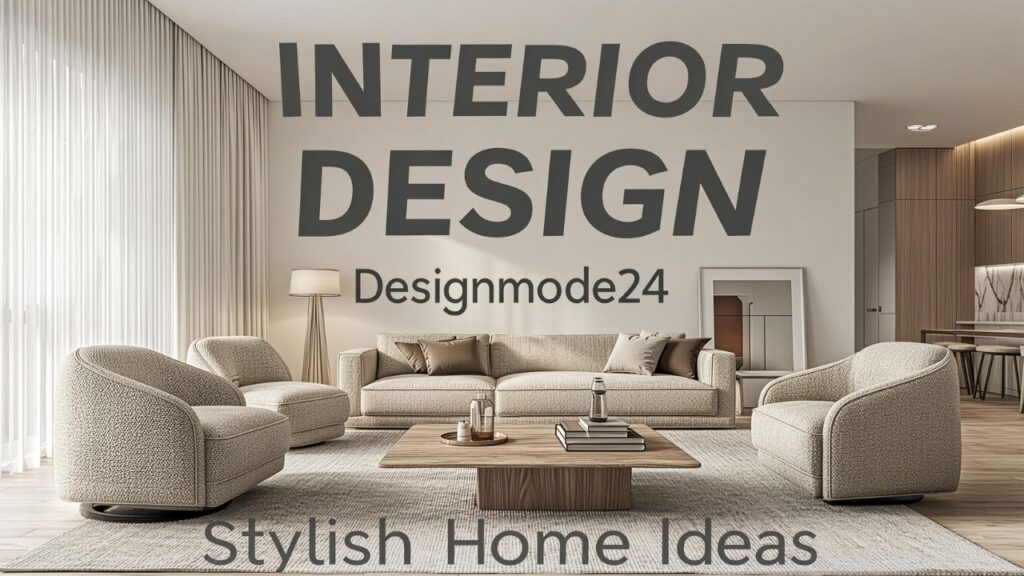
What Is Interior Design Designmode24?
Interior design designmode24 can be thought of as a balanced way to decorate a home. It is not one strict style like farmhouse, coastal, traditional, or minimalist. Instead, it focuses on making a room attractive, comfortable, organized, and functional at the same time.
In simple terms, it means designing with intention. Every choice should support the way the space is used. The sofa should fit the room and feel comfortable. The lighting should help you cook, read, relax, or entertain. Storage should reduce clutter instead of becoming an afterthought. Colors and textures should create a mood that fits the people who live there.
The approach is especially useful because many American homes now serve multiple purposes. A dining room may also be a homework station. A bedroom may include a work-from-home corner. A living room may need to handle toddlers, pets, guests, and quiet evenings. Good design has to adapt.
The Core Principles
A practical interior design plan usually includes:
- Function before decoration
- Furniture scaled to the room
- Comfortable traffic flow
- A clear focal point
- Layered lighting
- Durable materials
- Smart storage
- A consistent color palette
- A mix of textures
- Personal details that make the room feel lived in
When these pieces work together, the room feels more finished even if every item is not expensive.
Start With How the Room Needs to Work
Before choosing paint colors or shopping for furniture, define the room’s job. This one step can prevent expensive mistakes.
A living room used for entertaining needs conversation-friendly seating. A family room used for TV needs comfortable lounging. A small apartment living room may need hidden storage and flexible furniture. A bedroom should support sleep first, even if it also includes a desk or reading chair.
Questions to Ask Before Decorating
Before making purchases, ask:
- Who uses this room every day?
- What activities happen here?
- What is not working right now?
- Where does clutter collect?
- What furniture must stay?
- Does the room need to be kid-friendly or pet-friendly?
- Is this a rental or a long-term home?
- What is the realistic budget?
- How much natural light does the room get?
These questions help you design for real life instead of copying a look that may not fit your home.
A Real-Life Example
Imagine a family living room in a 1980s suburban home. The room has a fireplace, a TV, toys, a sectional, and two dogs. A delicate white rug and glass coffee table may look beautiful, but they are probably not the best choices. A washable patterned rug, storage ottoman, performance fabric sectional, wall-mounted lighting, and closed media console would make the room more comfortable and easier to maintain.
Now imagine a one-bedroom apartment. The same sectional may overwhelm the space. A slim-arm sofa, nesting tables, a storage bench, wall shelves, and a large mirror would likely work better.
Good design changes with the household.
Plan the Layout Before Buying Anything
Layout is the backbone of a room. If the layout is wrong, even beautiful furniture can feel awkward.
Start by measuring the room, including doors, windows, radiators, vents, closets, walkways, fireplaces, and TV locations. Then measure the furniture you already own. Use painter’s tape on the floor to mark where new pieces might go before ordering them.
Basic Layout Guidelines
For many U.S. homes, these measurements are useful:
| Area | Helpful Guideline |
|---|---|
| Walkways | Aim for about 30 to 36 inches where possible |
| Sofa to coffee table | About 16 to 18 inches |
| Dining chair clearance | About 36 inches from table edge to wall or furniture |
| Rug under bed | Extend at least 18 to 24 inches beyond the sides if possible |
| TV viewing distance | Depends on screen size, but avoid placing seating too close |
| Entryway path | Keep it open enough for bags, shoes, and guests |
Small spaces may require tighter clearances, but the goal is always easy movement.
Compare Open Layouts and Defined Zones
Many American homes have open-concept living areas. They feel bright and social, but they can be tricky to decorate because one large space may need to act as kitchen, dining room, living room, and play area.
| Layout Type | Pros | Cons | Best For |
|---|---|---|---|
| Open concept | Bright, social, flexible | Can feel noisy or visually cluttered | Families, entertainers, larger homes |
| Defined rooms | Cozy, easier to decorate, more privacy | Can feel smaller or closed off | Older homes, formal layouts, quiet households |
| Zoned open space | Combines openness with structure | Requires careful furniture placement | Apartments, townhomes, family rooms |
To create zones, use rugs, lighting, furniture placement, open shelving, or different wall treatments. A rug can define the living area. Pendant lighting can define the dining table. A console table behind a sofa can separate the living room from the kitchen without adding walls.
Choose a Focal Point
A focal point gives a room direction. Without one, furniture and decor can feel scattered.
Common focal points include:
- Fireplace
- Large window
- Sofa wall
- Bed
- Dining table and chandelier
- Built-in shelves
- Gallery wall
- Large artwork
- Statement rug
- Media wall
What If the Room Has Competing Focal Points?
Many living rooms have both a fireplace and a TV. Instead of fighting the room, decide which one matters most in daily life.
If your family watches TV every night, arrange seating for comfortable viewing and keep the fireplace styled simply. If the room is more formal, let the fireplace lead and place the TV in a less dominant position.
What If There Is No Focal Point?
Create one with art, paint, wallpaper, shelving, curtains, or furniture. In a plain apartment living room, a large framed print over the sofa can instantly give the room structure. In a bedroom, a headboard and two lamps can make the bed feel intentional.
Use Color to Shape the Mood
Color is one of the easiest ways to change how a home feels. It can make a room feel calm, bright, cozy, dramatic, cheerful, or elegant.
A useful formula is 60-30-10:
| Percentage | Use |
|---|---|
| 60% | Main color, often walls or large furniture |
| 30% | Secondary color, often rugs, curtains, chairs, or bedding |
| 10% | Accent color, often pillows, art, lamps, or accessories |
This formula is flexible. It simply helps keep the palette from feeling chaotic.
Warm Neutrals
Warm neutrals include cream, ivory, taupe, beige, camel, mushroom, warm gray, and soft brown. They work well in living rooms, bedrooms, kitchens, and family homes because they feel calm without being stark.
Warm neutrals pair beautifully with wood, woven textures, black accents, brass, greenery, and natural fabrics.
Cool Neutrals
Cool neutrals include crisp white, charcoal, slate, blue-gray, and cooler shades of gray. They can feel clean and modern, especially in apartments and contemporary homes.
To keep cool neutrals from feeling cold, add warm lighting, wood furniture, soft rugs, and textured textiles.
Earth Tones
Terracotta, olive, clay, rust, deep brown, sand, and muted green are practical choices for American homes because they feel warm, grounded, and forgiving. These colors are especially good for family rooms, entryways, bedrooms, and homes with pets because they do not show every mark as quickly as bright white.
Moody Colors
Navy, forest green, burgundy, plum, chocolate brown, and charcoal can make a space feel cozy and elevated. They work well in dining rooms, bedrooms, powder rooms, offices, and media rooms.
Small rooms do not always need to be white. A dark powder room or compact bedroom can feel intentional and dramatic rather than cramped.
Renter-Friendly Color Ideas
Renters can add color without painting by using:
- Curtains
- Rugs
- Art
- Bedding
- Peel-and-stick wallpaper
- Removable backsplash tiles
- Throw pillows
- Lampshades
- Slipcovers
- Decorative storage boxes
Color does not have to be permanent to be effective.
Compare Popular Interior Design Styles
Most homes look best when they blend styles instead of following one theme too strictly. Still, knowing the strengths of each style can help you choose furniture, colors, and decor more confidently.
| Style | Best For | Pros | Cons |
|---|---|---|---|
| Transitional | Most homes | Timeless, flexible, easy to personalize | Can feel plain without texture |
| Modern farmhouse | Family homes, casual spaces | Warm, familiar, comfortable | Can look dated if overly themed |
| Modern organic | Calm homes, apartments, new builds | Soft, natural, uncluttered | Can become too beige |
| Coastal | Bright rooms, bedrooms, relaxed homes | Airy and fresh | Can feel theme-heavy with too many beach accents |
| Traditional | Older homes, formal rooms | Elegant and layered | Can feel heavy without updates |
| Midcentury modern | Apartments, small spaces | Clean lines, compact furniture | Can feel cold without softness |
| Bohemian | Creative homes, renters | Personal, colorful, collected | Can feel cluttered if not edited |
| Minimalist | Small spaces, calm interiors | Clean and simple | Can feel bare if too strict |
How to Mix Styles Well
Choose one main style and one supporting style. For example:
- Transitional with modern organic accents
- Coastal with traditional furniture
- Midcentury modern with bohemian textiles
- Modern farmhouse with vintage pieces
- Minimalist with warm wood and woven texture
The room will feel more natural when you repeat colors, materials, or shapes. For example, black metal curtain rods can connect with black picture frames and a black floor lamp. Warm oak in a coffee table can connect with wood shelves or dining chairs.
Choose Furniture That Fits Your Life
Furniture is one of the biggest investments in a home, so it should be chosen carefully. Comfort, durability, scale, and maintenance matter just as much as style.
Sofas and Sectionals
The sofa is often the largest piece in a living room. Before buying, measure both the room and the delivery path, including stairs, elevators, hallways, and doorways.
| Sofa Type | Best For | Pros | Cons |
|---|---|---|---|
| Standard sofa | Most living rooms and apartments | Flexible and easy to style | Less lounging space |
| Sectional | Family rooms and open layouts | Great for movie nights and groups | Can overwhelm small rooms |
| Loveseat | Small apartments and bedrooms | Compact and affordable | Limited seating |
| Sleeper sofa | Guest rooms and offices | Adds sleeping space | Often heavier and firmer |
| Modular sofa | Renters and growing families | Reconfigurable | Can be expensive |
For families, performance fabric or washable slipcovers are worth considering. For pet owners, tight-weave fabrics, microfiber, and leather are often more practical than delicate open weaves.
Coffee Tables and Ottomans
A coffee table gives structure, but an ottoman can be more comfortable and family-friendly.
| Option | Best For | Pros | Cons |
|---|---|---|---|
| Coffee table | Formal and everyday living rooms | Stable surface, many styles | Hard edges can be less kid-friendly |
| Storage ottoman | Family rooms, apartments | Soft, practical, hides clutter | Needs a tray for drinks |
| Nesting tables | Small spaces | Flexible and compact | Less visual weight |
| Round table | Tight layouts | Easier traffic flow | Less surface area |
If you have toddlers, a soft ottoman may be safer than a sharp-edged table. If you entertain often, a larger coffee table may be more useful.
Dining Furniture
Dining furniture should fit both the room and your routine. A family that eats together nightly needs comfort and durability. A household that uses the dining area as a workspace needs good lighting and supportive chairs.
Round tables work well in small dining rooms and apartments because they improve flow. Rectangular tables work well in larger dining rooms and open layouts. Extendable tables are helpful for holidays and guests.
Bedroom Furniture
A bedroom should feel restful, not crowded. Start with the bed, then add only what the room can comfortably hold.
For small bedrooms, consider:
- Wall-mounted nightstands
- Tall dressers
- Under-bed storage
- Sconces instead of table lamps
- Storage benches
- Sliding closet organizers
For larger bedrooms, add a chair, bench, dresser, or reading corner if it supports how you use the room.
Layer Lighting for Comfort and Function
Lighting can make or break a room. A space with only one overhead fixture often feels flat, harsh, or unfinished.
Good lighting has three layers:
| Lighting Type | Purpose | Examples |
|---|---|---|
| Ambient | Overall room light | Ceiling fixtures, recessed lights |
| Task | Helps with activities | Reading lamps, under-cabinet lights, desk lamps |
| Accent | Adds mood or highlights features | Picture lights, sconces, shelf lighting |
Living Room Lighting
A living room should have several light sources. Add table lamps, floor lamps, sconces, or picture lights. This makes the room feel warmer and more flexible.
Place lamps near seating so people can read or relax without relying on overhead light.
Kitchen Lighting
Kitchens need strong task lighting. Under-cabinet lights help with chopping, cooking, and cleaning. Pendants over an island can add style and function.
In rentals, plug-in under-cabinet lighting or a small counter lamp can make a kitchen feel more inviting.
Bedroom Lighting
Bedrooms need soft, warm lighting. Bedside lamps or sconces are essential. If the room is small, wall-mounted plug-in sconces free up nightstand space.
Avoid bulbs that are too cool or bright. Warm light is usually more relaxing in bedrooms and living areas.
Dining Room Lighting
Dining lighting should relate to the table, not just the ceiling. A chandelier or pendant should feel centered over the table and scaled to its size.
A dimmer switch is one of the best upgrades for a dining room because it lets the space shift from homework and projects to dinner and entertaining.
Use Texture to Make Rooms Feel Finished
Texture adds depth. Without it, even a well-colored room can feel flat.
Texture can come from:
- Wood
- Linen
- Velvet
- Leather
- Bouclé
- Woven baskets
- Jute rugs
- Ceramic lamps
- Metal accents
- Glass
- Stone
- Plants
- Knitted throws
A room with a fabric sofa, wood table, woven rug, ceramic lamp, metal frame, and soft pillows will usually feel richer than a room where every surface is smooth and similar.
Texture for Families and Pets
Choose texture carefully in busy homes. Bouclé and open-weave fabrics can snag or trap crumbs. Jute rugs look beautiful but can be rough and harder to clean. Performance fabrics, low-pile rugs, leather, microfiber, and washable textiles are often easier.
Texture for Small Spaces
In small spaces, use texture instead of too many colors. A cream room with woven shades, a soft rug, wood furniture, linen pillows, and black accents can feel layered without feeling crowded.
Choose Rugs That Fit the Room
Rugs define space, soften sound, and make rooms feel more comfortable. The wrong size can make a room feel unfinished.
Rug Comparison by Material
| Rug Material | Best For | Pros | Cons |
|---|---|---|---|
| Wool | Living rooms, bedrooms | Durable and soft | Higher cost, may shed |
| Cotton | Kitchens, casual rooms | Affordable, washable options | Less plush |
| Jute/sisal | Coastal or natural rooms | Great texture | Rougher, stains more easily |
| Polyester | Budget rooms, rentals | Affordable, many designs | May wear faster |
| Indoor-outdoor | Dining areas, pets, kitchens | Easy to clean | Less soft |
| Washable rugs | Kids, pets, apartments | Practical | Often thinner |
Living Room Rugs
A living room rug should connect the seating area. If possible, place at least the front legs of the sofa and chairs on the rug.
A too-small rug can make the room feel choppy. In many living rooms, going one size larger makes the whole space look more polished.
Bedroom Rugs
A bedroom rug should feel good underfoot. If a large rug is too expensive, use runners on each side of the bed.
Dining Room Rugs
Choose a rug large enough that chairs stay on it when pulled out. Low-pile, flatweave, washable, or indoor-outdoor rugs are often best for dining spaces.
Entryway Rugs
Entryway rugs should be durable and easy to clean. This is not the place for a delicate pale rug, especially in rainy, snowy, or muddy climates.
Make Storage Part of the Design
A cluttered room often needs better storage, not more decor. Good storage makes a home easier to use and easier to enjoy.
Living Room Storage
Use closed storage for remotes, cords, toys, games, and paperwork. Open shelves are better for books, baskets, framed photos, and decorative objects.
A media console with doors is usually more practical than open shelving in family homes.
Kitchen Storage
Kitchens benefit from drawer organizers, shelf risers, turntables, bins, hooks, and cabinet inserts. In a rental, a rolling cart or freestanding pantry cabinet can add storage without renovation.
Keep countertops as clear as possible. Group daily items on trays so they look intentional.
Bedroom Storage
Bedrooms need hidden storage to feel calm. Use nightstands with drawers, under-bed bins, closet systems, baskets, and dressers that fit the room.
If your bedroom feels messy, reduce surface clutter first. Clear nightstands can instantly make the room feel more restful.
Entryway Storage
An entryway should handle shoes, keys, bags, coats, mail, and pet gear. Even a small wall can include hooks, a mirror, a narrow shelf, and a washable runner.
Compare Wall Treatments
Walls are powerful because they set the backdrop for everything else.
| Wall Treatment | Best For | Cost | Renter-Friendly? | Notes |
|---|---|---|---|---|
| Paint | Almost any room | Low to medium | Sometimes | Big impact for the price |
| Peel-and-stick wallpaper | Rentals, accent walls | Low to medium | Usually | Best on smooth walls |
| Traditional wallpaper | Dining rooms, bedrooms, powder rooms | Medium to high | No | More permanent and polished |
| Board and batten | Bedrooms, entries, dining rooms | Medium | Usually no | Adds architectural detail |
| Picture molding | Traditional and transitional homes | Medium | Usually no | Elegant and timeless |
| Wood slat wall | Modern spaces, media walls | Medium to high | Usually no | Adds warmth and texture |
Paint
Paint is one of the most cost-effective changes. For small rooms, do not automatically choose white. Soft green, warm beige, dusty blue, or deep charcoal may give the room more personality.
Peel-and-Stick Wallpaper
Peel-and-stick wallpaper is ideal for renters, closets, powder rooms, nurseries, and accent walls. It works best on smooth, clean walls.
Avoid using it in very humid spaces unless the product is made for that environment.
Molding
Molding can make builder-grade spaces feel more custom. It works especially well in dining rooms, bedrooms, hallways, and entryways.
Homeowners can use it as a long-term upgrade. Renters should only use it with permission.
Decorate Room by Room
Living Room
The living room should feel comfortable, welcoming, and easy to use. Start with the main seating, then add a rug, tables, lighting, storage, and decor.
A good living room usually includes:
- Comfortable seating
- A rug large enough for the seating area
- A coffee table or ottoman
- Side tables within reach
- Layered lighting
- Storage for daily clutter
- Art or a focal point
- Soft textiles
If the room feels unfinished, check the rug size, curtain height, lighting, and wall art before replacing furniture.
Family Room
A family room should prioritize comfort and durability. Choose practical fabrics, washable textiles, and enough seating for the household.
Sectionals, modular sofas, storage ottomans, low-pile rugs, and closed media storage work well. Use baskets for toys, blankets, and games.
Medium-tone fabrics are often easier to maintain than very light or very dark ones.
Bedroom
A bedroom should support rest. Focus on the bed, lighting, window coverings, and storage.
A finished bedroom does not require many accessories. A headboard, layered bedding, two lamps, nightstands, curtains, and a rug can completely change the feeling of the space.
For budget decorating, upgrade bedding and lamps before buying extra decor.
Kitchen
Kitchen decor should be useful and easy to clean. A kitchen can feel more styled with simple changes:
- Updated cabinet hardware
- Counter lamp
- Washable runner
- Wood cutting boards
- Small plant or herbs
- Attractive soap dispenser
- Simple window treatment
- Organized trays
If the kitchen is dated, lighting and hardware often make the biggest difference without a remodel.
Dining Room
A dining room should feel inviting, not stiff. Make sure the table, chairs, rug, and light fixture relate to each other in scale.
Comfortable chairs matter if the room is used often. If children use the dining table for homework, choose wipeable materials and good task lighting.
Bathroom
Bathrooms can be improved with simple updates:
- New mirror
- Better lighting
- Fresh towels
- Shower curtain
- Washable rug
- Wall shelves
- Coordinated hardware
- Small art
In rentals, peel-and-stick floor tiles, a new shower curtain, and attractive storage can make the room feel much better without permanent changes.
Entryway
An entryway should make daily life easier. Add a mirror, hooks, shoe storage, a small bench, and a tray for keys.
If you do not have a formal entry, create one with a narrow console table or wall shelf near the door.
Small Apartments
Small apartments need furniture that works hard. Choose pieces with storage, slim profiles, and flexible uses.
Helpful pieces include:
- Storage ottoman
- Sleeper sofa
- Drop-leaf table
- Nesting tables
- Wall shelves
- Bed with drawers
- Folding dining chairs
- Slim bookcase
Use mirrors and vertical storage to make the space feel larger. Keep the color palette cohesive so the rooms flow together.
Decorate on a Budget Without Looking Cheap
A beautiful home does not require buying everything new. Budget decorating works best when you spend on the pieces that matter and save on items that are easy to change.
Where to Spend
Consider investing in:
- Sofa
- Mattress
- Main rug
- Dining chairs
- Quality lighting
- Window treatments
- Storage pieces
These items affect daily comfort and function.
Where to Save
Save on:
- Throw pillows
- Seasonal decor
- Small tables
- Decorative trays
- Vases
- Picture frames
- Baskets
- Art prints
- Lampshades
You can also find excellent pieces secondhand, especially wood dressers, dining tables, mirrors, bookcases, and accent chairs.
Budget Upgrades With Big Impact
Try these before replacing major furniture:
- Hang curtains higher and wider
- Change cabinet hardware
- Add matching lamps
- Use a larger rug
- Paint a room or piece of furniture
- Replace throw pillow covers
- Declutter surfaces
- Add framed art
- Style shelves with fewer, larger items
- Use warm light bulbs
Often, a room does not need more stuff. It needs better scale, lighting, and editing.
Design for Kids, Pets, and Real Life
Homes with kids and pets can still be stylish. The key is choosing materials that forgive everyday mess.
Kid-Friendly Choices
Look for:
- Rounded coffee tables or ottomans
- Washable rugs
- Performance fabrics
- Closed storage
- Durable dining chairs
- Easy-to-clean paint finishes
- Baskets children can reach
Avoid overly fragile decor on low surfaces. Use higher shelves for breakable pieces.
Pet-Friendly Choices
For pets, choose:
- Tight-weave upholstery
- Leather or microfiber
- Washable throws
- Low-pile rugs
- Furniture with washable covers
- Medium-tone colors
- Easy-to-vacuum layouts
Avoid delicate woven fabrics if you have cats that scratch. Avoid rugs that trap hair if you have heavy-shedding dogs.
Low-Maintenance Style
A low-maintenance home usually includes durable materials, fewer fragile accessories, and practical storage. This does not mean boring. It means choosing beauty that can handle daily life.
Seasonal Decorating Without Starting Over
Seasonal decorating should refresh your home, not require a full redesign.
Spring
Use lighter throws, fresh greenery, floral branches, soft colors, and clean surfaces.
Summer
Add woven textures, breezy curtains, outdoor-friendly pillows, and casual table settings.
Fall
Bring in warm colors, amber glass, wood accents, plaid or textured throws, and cozy lighting.
Winter
Layer candles, greenery, velvet, knit blankets, deeper colors, and warm metallic accents.
The easiest seasonal updates are pillows, throws, greenery, wreaths, table linens, and small accessories. Keep large furniture more versatile if you like changing the mood throughout the year.
Common Interior Design Mistakes to Avoid
Buying Furniture Before Measuring
Always measure the room and the delivery path. A sofa that fits the wall still has to fit through the door.
Choosing a Rug That Is Too Small
A too-small rug makes a room feel disconnected. When in doubt, size up if the budget allows.
Using Only Overhead Lighting
Overhead lighting alone often feels harsh. Add lamps and accent lighting for warmth.
Pushing Every Piece Against the Wall
In larger rooms, pulling furniture away from the walls can create a more inviting seating area.
Following Too Many Trends
Trends are useful for inspiration, but a home should still reflect your life. Use trends in small, changeable ways.
Ignoring Storage
Decor cannot fix a room that lacks storage. Add closed storage before adding more accessories.
Matching Everything Too Closely
A perfectly matched furniture set can feel flat. Mix materials, finishes, and shapes for a more collected look.
How to Make a Home Feel Personal
A home feels personal when it includes signs of the people who live there.
Use:
- Family photos
- Travel finds
- Books
- Handmade pottery
- Vintage pieces
- Local art
- Heirlooms
- Children’s framed artwork
- Meaningful collections
The trick is editing and grouping. A collection displayed together looks intentional. The same items scattered around the house may look cluttered.
Choose fewer, more meaningful pieces rather than filling every surface.
FAQ
What does interior design designmode24 mean?
Interior design designmode24 refers to a practical, modern way of decorating that focuses on beauty, comfort, function, layout, lighting, storage, and personal style. It is not one strict design style but a flexible approach to making rooms work better.
Is this approach good for small apartments?
Yes. It works well for small apartments because it emphasizes smart layouts, multi-purpose furniture, vertical storage, lighting, and careful editing. These choices help small spaces feel more open and useful.
How do I start redesigning a room?
Start by deciding how the room needs to function. Measure the space, choose a focal point, plan the layout, pick a color palette, and then add furniture, lighting, rugs, storage, and decor in layers.
What is the biggest mistake people make in interior design?
One of the biggest mistakes is buying furniture or decor before understanding the room’s size, function, and layout. This often leads to pieces that look nice but do not fit or work well.
How can I decorate if I rent?
Use removable wallpaper, peel-and-stick tiles, plug-in sconces, area rugs, curtains, freestanding shelves, mirrors, lamps, and furniture you can take with you. Focus on changes that do not damage walls or floors.
What makes a room look more expensive?
Good lighting, properly sized rugs, high-hung curtains, less clutter, coordinated finishes, larger art, and thoughtful styling can make a room look more expensive. Scale and editing often matter more than price.
How can I make my home stylish with kids or pets?
Choose durable fabrics, washable rugs, closed storage, rounded furniture, and easy-clean surfaces. Use throws, baskets, and performance materials so the home feels stylish without being too delicate.
Should every room have the same style?
Every room does not need to match exactly, but the home should feel connected. Repeat colors, wood tones, metal finishes, or textures from room to room to create flow.
Conclusion
A well-designed home is not about copying a perfect room or buying the most expensive furniture. It is about making thoughtful choices that support the way you live. When you plan the layout, choose the right scale, layer lighting, use durable materials, and add personal details, your rooms begin to feel more comfortable and complete.
Interior design designmode24 is useful because it keeps the focus on balance. Style matters, but so does function. Color matters, but so does lighting. Furniture matters, but so does movement, storage, and maintenance.
Whether you are decorating a small rental, updating a family room, refreshing a bedroom, or slowly improving a whole house, start with what your home needs most. Then build in layers. The result will feel more natural, more personal, and much easier to live with every day.