

Introduction
A smart home should not feel like a cold gadget showroom. It should feel warm, personal, easy to live in, and quietly helpful in the background.
That is the real promise of Smart home decoradtech: blending interior design with connected technology so your home looks beautiful, works better, saves effort, and still feels like you. The goal is not to fill every room with screens and devices. The goal is to make technology support your lifestyle without taking over your decor.
This matters because most people do not want more complexity at home. They want lights that match the mood, temperature that feels comfortable, safer doors, fewer visible cords, better routines, and rooms that look calm instead of cluttered.
In this guide, we will explore what Smart home decoradtech means, how to plan it, which devices make sense, how to style each room, where privacy and security fit in, and how to avoid wasting money on technology that looks impressive but does very little for real life.
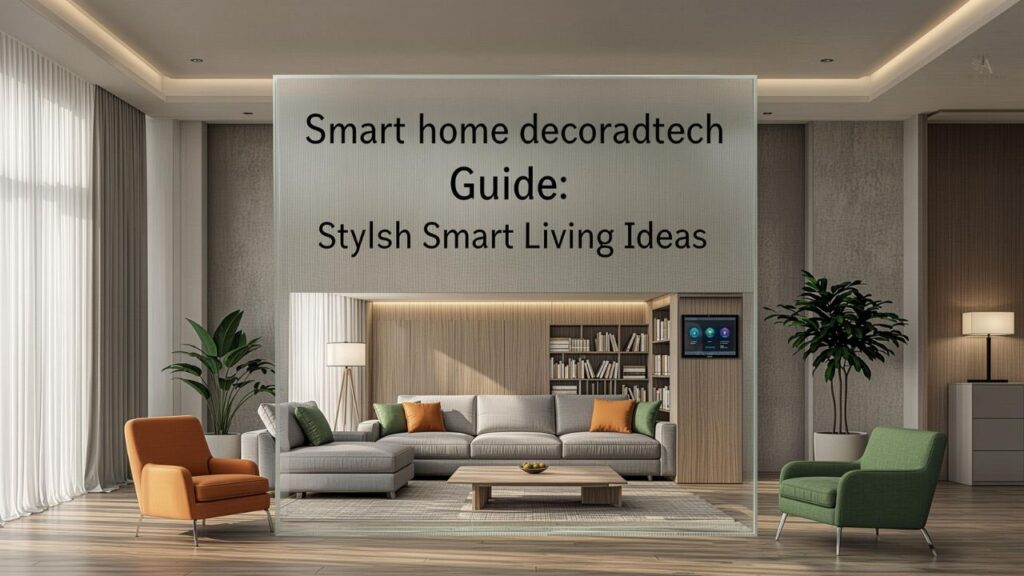
You will also see related ideas such as smart home decoradtech, home device decoradtech, and decoradtech smart home ideas by decoratoradvice used naturally throughout the article.
Table of Contents
- What Smart Home Decoradtech Means
- Why Smart Decor Is Becoming Popular
- Planning Before Buying Devices
- Choosing Compatible Smart Home Systems
- Lighting, Mood, and Interior Atmosphere
- Room-by-Room Smart Decor Ideas
- Energy Efficiency, Comfort, and Indoor Air
- Privacy and Smart Home Security
- Hidden Technology and Cable Management
- Background, Career Journey, Achievements, and Financial Insight
- Budget-Friendly Setup Plan
- Common Mistakes to Avoid
- Frequently Asked Questions
- Conclusion
What Smart Home Decoradtech Means
At its simplest, Smart home decoradtech means using smart technology in a way that supports the beauty, comfort, and function of a home. It is not only about installing connected devices. It is about making those devices feel natural inside the design.
A decor-focused smart home can include smart lights, thermostats, speakers, sensors, locks, plugs, shades, mirrors, displays, and automation hubs. However, the best setup does not scream “technology.” It quietly improves daily routines while keeping the room attractive and comfortable.
A Simple Definition
Smart decor is the thoughtful mix of interior styling and home automation. It uses connected devices to improve daily living without making rooms look messy, crowded, or overly technical.
The best version feels almost invisible. You notice the comfort, not the machinery.
What Makes It Different From a Normal Smart Home?
A regular smart home can be useful but visually awkward. You might have cords everywhere, clashing devices, bulky speakers, blinking routers, and apps that do not talk to one another.
A decor-focused smart home asks better questions:
- Does this device match the room?
- Can the wires be hidden?
- Is the light warm enough for evening?
- Will guests know how to use it?
- Does the automation solve a real problem?
- Can the room still feel cozy without the app?
That design-first mindset is what makes Smart home decoradtech different from ordinary home automation.
Why Smart Decor Is Becoming Popular
Smart home design is growing because the modern home is doing more jobs than ever. For many people, the same space now supports work, rest, cooking, exercise, entertainment, family time, security, and wellness.
A good home device decoradtech setup helps each room work better without making the space feel like a tech display shelf.
People Want Convenience Without Clutter
Nobody wants to walk across the room just to turn off a lamp hidden behind a sofa. A smart plug can solve that. Nobody wants harsh lighting during a movie. A lighting scene can fix it. Nobody wants to wonder whether the door is locked after leaving home. A smart lock can bring peace of mind.
However, convenience loses charm when the home starts looking messy. That is why design integration matters.
Homes Need to Feel More Personal
One family may want a bright kitchen routine at 6:30 a.m. Another person may want soft lighting, quiet music, and a cool bedroom after a late shift. A smart home should support those differences.
The emotional side matters too. A home that responds gently to your rhythm can feel comforting. A home that constantly pings, flashes, and demands updates can feel exhausting.
Energy Costs Are Part of the Conversation
Energy efficiency is one reason homeowners explore smart devices. Smart thermostats, scheduled lights, occupancy sensors, and automated shades can help reduce waste when used correctly.
The key is choosing technology that supports real habits. A device only saves energy when it is installed properly, used consistently, and matched to the way the household actually lives.
Planning Before Buying Devices
The easiest way to waste money is to buy devices before you understand your home. A good Smart home decoradtech plan begins with daily habits, room layouts, Wi-Fi coverage, lighting needs, and design style.
Start With Real-Life Problems
Walk through your home slowly and notice what feels annoying. Do not start with product lists. Start with friction.
Common pain points include:
- Lamps that are hard to reach
- Entryways that feel dark at night
- Bedrooms that are too bright before sleep
- Rooms that are too hot or too cold
- Messy charging cables
- Forgotten porch lights
- Unclear security at the front door
- Work areas with poor lighting
- Family members using too many different apps
Once you know the problem, the right device becomes easier to choose.
Create a Room Map
Draw a rough plan of each room. Mark outlets, windows, lamps, seating, switches, doors, routers, shelves, and cable-heavy zones. This does not need to look professional. A notebook sketch is enough.
This step helps you decide where devices should live. It also stops you from buying a smart speaker that has nowhere natural to sit or a display that adds visual clutter to an already busy counter.
Decide Your Design Style First
Before adding technology, name the look you want. Is your home modern, rustic, Scandinavian, bohemian, traditional, minimalist, industrial, coastal, farmhouse, or transitional?
Then choose devices that blend into that style. A glossy black speaker may look sleek in a modern room but harsh in a soft cottage-style bedroom. A white smart display might disappear nicely in a light kitchen but stand out awkwardly on a dark vintage dresser.
Smart Decor Planning Table
| Planning Question | Why It Matters | Example Answer |
|---|---|---|
| What problem am I solving? | Prevents random buying | “The hallway is too dark at night.” |
| Which room comes first? | Keeps the project focused | “Living room first, bedroom later.” |
| What style should tech match? | Protects the decor | “Warm wood, matte black, linen textures.” |
| Which app or ecosystem will I use? | Avoids device chaos | “Apple Home, Google Home, Alexa, or Matter-supported setup.” |
| What should stay hidden? | Reduces clutter | “Router, cords, hubs, power strips.” |
| Who else must use it? | Keeps the home practical | “Kids and guests need simple switches.” |
Choosing Compatible Smart Home Systems
Compatibility is the boring part until something stops working. Then it becomes the most important part.
Pick One Main Ecosystem
Most people should choose one main smart home ecosystem and build around it. Common options include Apple Home, Google Home, Amazon Alexa, Samsung SmartThings, and Home Assistant. The right choice depends on your phone, preferred voice assistant, privacy comfort level, and how technical you want to get.
For a smoother home device decoradtech experience, choose devices that work together instead of collecting random products from different apps.
Understand Matter Before Buying
Matter is designed to help smart home products work more reliably across brands and platforms. For buyers, this may reduce compatibility headaches, though you should still check whether a device supports your specific hub, phone, router, and preferred app.
Avoid App Overload
A home does not feel smart when every device needs a different app. Before buying, check:
- Does it work with my existing system?
- Can it be controlled by voice, app, and physical switch?
- Does it need a separate hub?
- Does it still work if the internet is down?
- Are updates still supported?
- Can other household members use it easily?
A practical smart home should feel simple, not like a part-time IT job.
Lighting, Mood, and Interior Atmosphere
Lighting is the best first upgrade for most homes. It changes mood instantly and usually costs less than major furniture, renovation, or built-in systems.
Why Lighting Matters So Much
A room with bad lighting can make beautiful furniture look flat. A room with thoughtful lighting can make ordinary furniture feel warm and intentional.
This is where Smart home decoradtech becomes more than a trend. It turns lighting into atmosphere.
Build Three Lighting Layers
Use three layers in important rooms:
- Ambient lighting for general brightness
- Task lighting for reading, cooking, grooming, or working
- Accent lighting for shelves, art, plants, or architectural details
Smart bulbs, plugs, dimmers, and scenes can control these layers easily.
Create Useful Lighting Scenes
Try simple scenes instead of complicated ones:
- Morning: brighter, cooler, energizing
- Work: clear task lighting without glare
- Dinner: warm and relaxed
- Movie: low lamps and accent lights
- Night: soft path lighting only
- Away: scheduled lights for security
The best lighting scene is one you actually use. Keep names simple so everyone in the house understands them.
Room-by-Room Smart Decor Ideas
A whole-home setup sounds exciting, but room-by-room planning works better. Each space has different needs, moods, and privacy concerns.
This section includes practical decoradtech smart home ideas by decoratoradvice for rooms that need comfort, style, and function at the same time.
Living Room
The living room is often the best starting point because lighting, entertainment, comfort, and family routines meet there.
Useful upgrades include:
- Smart lamps or dimmers
- Hidden or compact speakers
- Smart plug for accent lights
- Cable box behind media furniture
- Voice assistant placed discreetly
- Automated blinds if glare is a problem
- Motion lighting for evening pathways
Styling tip: Surround technology with natural materials like wood, books, woven baskets, ceramics, and plants. Tech feels softer when it is balanced with texture.
Kitchen
The kitchen needs useful technology, not clutter. Choose devices that survive daily cooking and cleaning.
Useful upgrades include:
- Under-cabinet smart lighting
- Smart speaker for timers
- Leak sensor under the sink
- Motion light in pantry areas
- Smart plug for safe, appropriate devices
- Air quality or humidity awareness near cooking zones
Keep counters open. A kitchen filled with gadgets can become stressful fast.
Bedroom
The bedroom should be the calmest smart room in the house. Avoid turning it into a control center.
Useful upgrades include:
- Warm dimmable bedside lamps
- Sunrise-style morning routine
- Smart thermostat schedule
- Motorized shades or blackout solutions
- Hidden charging drawer
- Gentle evening lighting scene
Avoid bright screens facing the bed. A device may be clever, but if it makes sleep harder, it does not belong there.
Bathroom
Bathrooms benefit from practical, low-drama upgrades.
Useful upgrades include:
- Motion night light
- Humidity sensor
- Smart exhaust fan timer if compatible
- Leak sensor near vanity or toilet
- Organized charging for grooming tools
Safety matters here. Follow device instructions carefully and keep electronics away from water risks.
Entryway
The entryway is where security and hospitality meet.
Useful upgrades include:
- Motion porch light
- Smart lock
- Video doorbell
- Door sensor
- Small console with hidden charging
- Arrival routine that turns on warm indoor lighting
The goal is not to make your entrance feel like a security checkpoint. It should still feel welcoming.
Energy Efficiency, Comfort, and Indoor Air
Smart decor should not only look good. It should help the home feel comfortable and run more efficiently.
Smart Thermostat Basics
A smart thermostat can adjust heating and cooling around routines, sleep, occupancy, and remote control. Before buying one, check HVAC compatibility and make sure your Wi-Fi connection is reliable near the thermostat location.
Smart thermostats work best when paired with realistic schedules. Overly aggressive temperature changes can make the home uncomfortable, while thoughtful settings can improve comfort and reduce waste.
Smart Plugs and Energy Control
Smart plugs are simple but useful when applied correctly. Use them for lamps, seasonal lights, fans, and devices that are safe to turn on or off remotely.
Avoid using smart plugs with appliances that should not be interrupted, heat-producing devices that require supervision, or equipment where the manufacturer warns against remote switching.
Indoor Air Quality Deserves Attention
Your smart setup should include ordinary home care too: good ventilation, clean filters, moisture control, safe materials, exhaust fans, and regular cleaning.
Technology can help you monitor your space, but it should not replace basic maintenance.
Useful Sensors
Sensors are not glamorous, but they can be incredibly helpful:
- Leak sensors near water heaters, sinks, and washing machines
- Humidity sensors in bathrooms and basements
- Temperature sensors in rooms that run hot or cold
- Air quality monitors for specific concerns
- Door and window sensors for routines and alerts
The best sensors are quiet until they prevent a headache.
Privacy and Smart Home Security
A connected home needs thoughtful security. The more devices you add, the more important basic digital hygiene becomes.
Protect the Network First
Practical steps include:
- Change default router passwords
- Use strong, unique passwords
- Enable multi-factor authentication when available
- Update router and device firmware
- Remove unused devices from accounts
- Use a guest network for visitors
- Review app permissions
- Buy from brands with clear support policies
Smart living should feel safe, not exposed.
Think Carefully About Cameras
Security cameras can be useful, but they should be placed with care. Outdoor cameras and video doorbells are often easier to justify than indoor cameras in private spaces.
Before installing cameras indoors, talk with family members, roommates, or frequent guests. A safer home should not make people feel watched or uncomfortable.
Read Privacy Policies
Before submitting forms, subscribing, or connecting a device to your account, review what data may be collected and how it may be used. In general, smart home websites and apps may collect user-provided information and technical data for communication, analytics, optimization, and account features.
Good privacy habits are part of good Smart home decoradtech planning.
Hidden Technology and Cable Management
Cable management may not sound exciting, but it is one of the biggest differences between a stylish smart home and a messy one.
Hide the Infrastructure
Use:
- Cable raceways painted to match the wall
- Cord boxes behind media consoles
- Under-desk cable trays
- Shorter cords where possible
- Velcro ties
- Furniture with built-in charging
- Labeled plugs
- Router shelves or ventilated cabinets
Do not block ventilation for routers, hubs, consoles, or speakers. Hidden should not mean overheated.
Create Charging Zones
Instead of letting chargers spread across every surface, create one or two charging stations. A drawer with a power strip, a nightstand tray, or an entryway charging shelf can make daily life feel calmer.
This small home device decoradtech improvement can make the whole room look more organized.
Keep Manual Controls Available
Guests should not need an app to turn on a lamp. Children, older relatives, and visitors should still be able to use basic switches. The smartest home is the one people can understand.
Background, Career Journey, Achievements, and Financial Insight
This section applies to DecorAdTech as a content platform rather than a public individual.
Background
DecorAdTech presents itself as a platform focused on bridging modern decor, interior aesthetics, and smart technology. Its content is generally centered on practical home improvement, smart living, and design ideas for homes, offices, studios, and commercial spaces.
Career Journey
Since DecorAdTech is a website brand, the “career journey” is best understood as an editorial journey. The platform publishes content around home improvement, home technology, smart decor, furniture, layout ideas, and modern living.
Its content direction fits readers who want approachable decoradtech smart home ideas by decoratoradvice rather than overly technical smart home installation guides.
Achievements
Publicly visible achievements are content-based rather than award-based. DecorAdTech has built a focused topic library around smart interiors, home devices, automation, style, and practical setup guidance.
Estimated Net Worth or Financial Insight
No verified public net worth, revenue statement, traffic valuation, ownership asset disclosure, or audited financial information is available from the article text. Because of that, any specific net worth estimate would be speculation.
A fair financial insight is that DecorAdTech appears to operate as an informational content platform. Its public value is visible through topic coverage, search visibility potential, and usefulness to readers interested in smart decor, not through disclosed financial records.
Budget-Friendly Setup Plan
You do not need to automate your entire house at once. In fact, you probably should not.
Starter Budget: Under $50
Best for testing the idea.
Buy:
- One smart bulb
- One smart plug
- Basic cable ties or cord clips
Use it for a lamp, reading corner, or entryway light.
Practical Budget: $50–$150
Best for one small room.
Buy:
- Two or three smart bulbs
- One smart plug
- Cable management kit
- Optional motion sensor
Create one morning scene and one evening scene.
Comfort Budget: $150–$400
Best for a living room or bedroom upgrade.
Buy:
- Smart lighting kit
- Smart speaker or hub
- Smart plug set
- Better lampshades or fixtures
- Leak or motion sensor
This level can make a room feel genuinely different.
Whole-Room Budget: $400–$900
Best for a polished setup.
Buy:
- Smart thermostat if compatible
- Smart lock or doorbell
- Layered lighting
- Hidden speaker or compact soundbar
- Cable management furniture
- Sensors for water, doors, or temperature
At this point, design discipline matters. More devices do not automatically mean a better home.
Common Mistakes to Avoid
Mistake 1: Buying Without a Plan
A smart device that does not solve a real problem becomes clutter. Start with needs, not novelty.
Mistake 2: Ignoring Style
If every device clashes with the room, the space will feel unfinished. Choose finishes, colors, and placement carefully.
Mistake 3: Making the System Too Complicated
If one lamp needs three apps and a voice command that nobody remembers, simplify it.
Mistake 4: Forgetting Security Updates
Connected devices need updates. Old firmware and weak passwords can create avoidable risks.
Mistake 5: Overusing Colored Lights
Color lighting can be fun, but too much of it can make a home feel chaotic. Use color as an accent.
Mistake 6: Hiding Devices Badly
Do not place routers, hubs, or consoles in sealed cabinets with no airflow. Clean design still needs safe function.
Mistake 7: Removing All Physical Controls
Wall switches, buttons, and simple remotes still matter. A home should work even when someone cannot find their phone.
Frequently Asked Questions
What is Smart home decoradtech?
Smart home decoradtech is the blend of smart home technology and interior design. The goal is to make a home more automated, comfortable, efficient, and secure while keeping the decor stylish, warm, and uncluttered.
Is Smart home decoradtech expensive?
It can be expensive, but it does not have to be. Many people start with a smart bulb, smart plug, or cable-management upgrade before moving into thermostats, locks, sensors, and motorized shades.
What should I install first?
Start with lighting. Smart bulbs, dimmers, and plugs are affordable, easy to understand, and immediately improve the feel of a room.
What does home device decoradtech mean?
Home device decoradtech means choosing and placing smart home devices in a way that supports the room’s design. Instead of letting gadgets create clutter, you select devices that match the space, hide wires, and improve everyday comfort.
Do I need a smart hub?
Not always. Some devices connect directly through Wi-Fi. However, a hub or central ecosystem can make routines easier when you have multiple devices.
What is the best room to start with?
The living room is usually best because it benefits from lighting scenes, entertainment controls, speakers, and smart plugs. Bedrooms are also good if your goal is better sleep and calmer evenings.
Can renters use smart decor?
Yes. Renters can use smart bulbs, smart plugs, plug-in lamps, portable speakers, removable LED strips, tabletop displays, and non-permanent sensors. Avoid hardwired devices unless the lease and landlord allow them.
Are smart thermostats worth it?
They can be, especially when compatible with your HVAC system and household routine. They are most useful when they support realistic schedules and reduce unnecessary heating or cooling.
How do I keep the setup private and secure?
Use strong passwords, enable multi-factor authentication when possible, update firmware, avoid unnecessary indoor cameras, review app permissions, and remove old devices from your accounts.
How do I stop smart devices from ruining my decor?
Hide cords, choose matching finishes, use warm lighting, keep devices off crowded surfaces, and balance tech with natural materials like wood, linen, plants, stone, and ceramics.
What are decoradtech smart home ideas by decoratoradvice?
Decoradtech smart home ideas by decoratoradvice are design-first smart home suggestions that help technology blend naturally into interiors. They focus on comfort, style, function, cable control, lighting, security, and everyday usability.
Conclusion
A beautiful connected home is not about owning every new gadget. It is about making thoughtful choices that improve comfort, reduce friction, support safety, and still preserve the feeling of home.
The best Smart home decoradtech setup starts small. Fix one annoying light. Hide one cable mess. Create one useful routine. Add one sensor that prevents damage. Choose one device that fits the room instead of fighting it.
When decor and technology work together, the result feels less like a machine and more like a home that understands your rhythm. That is the future people actually want: smart, stylish, secure, warm, and quietly helpful.